My first trip to El Salvador
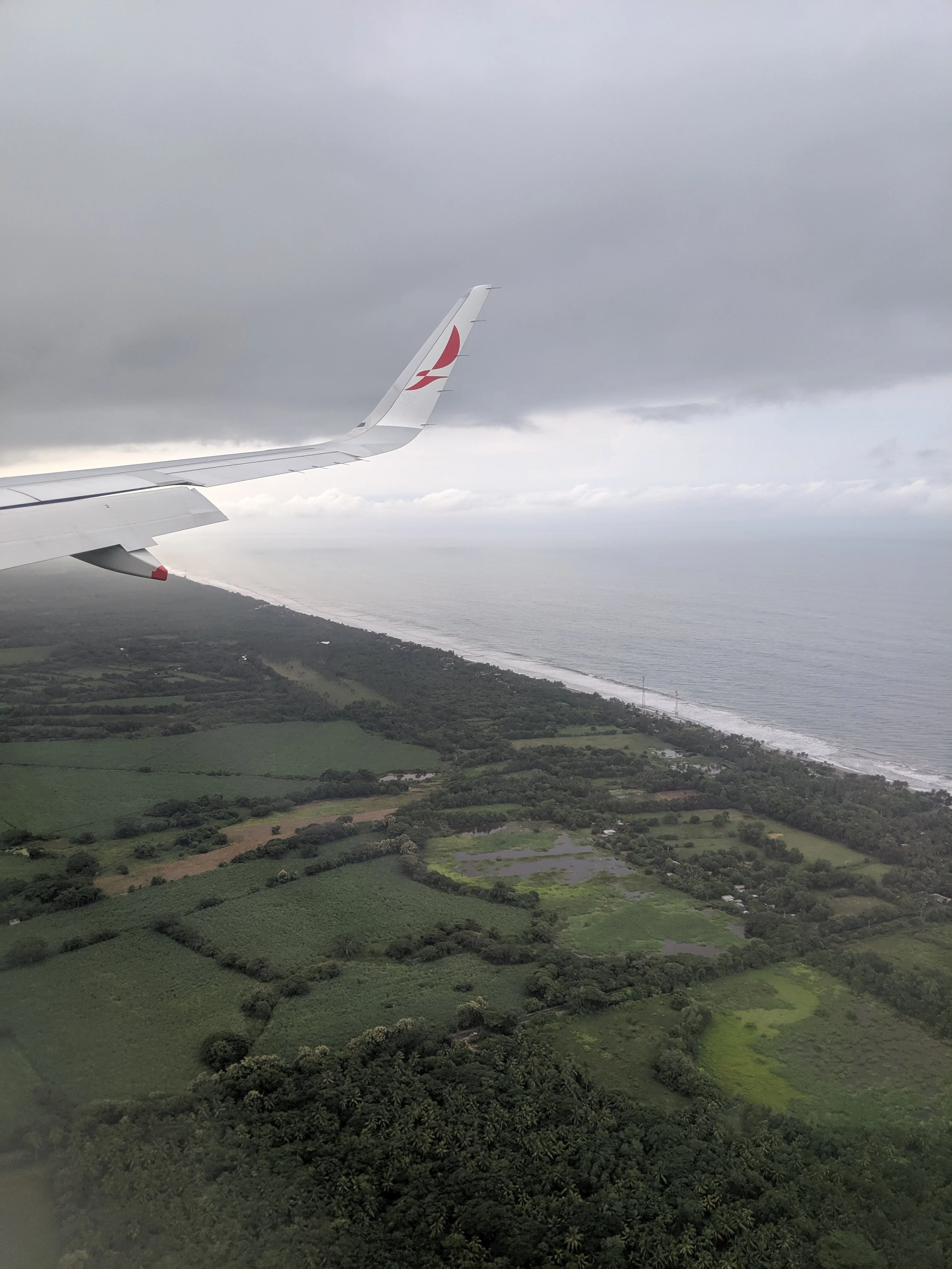
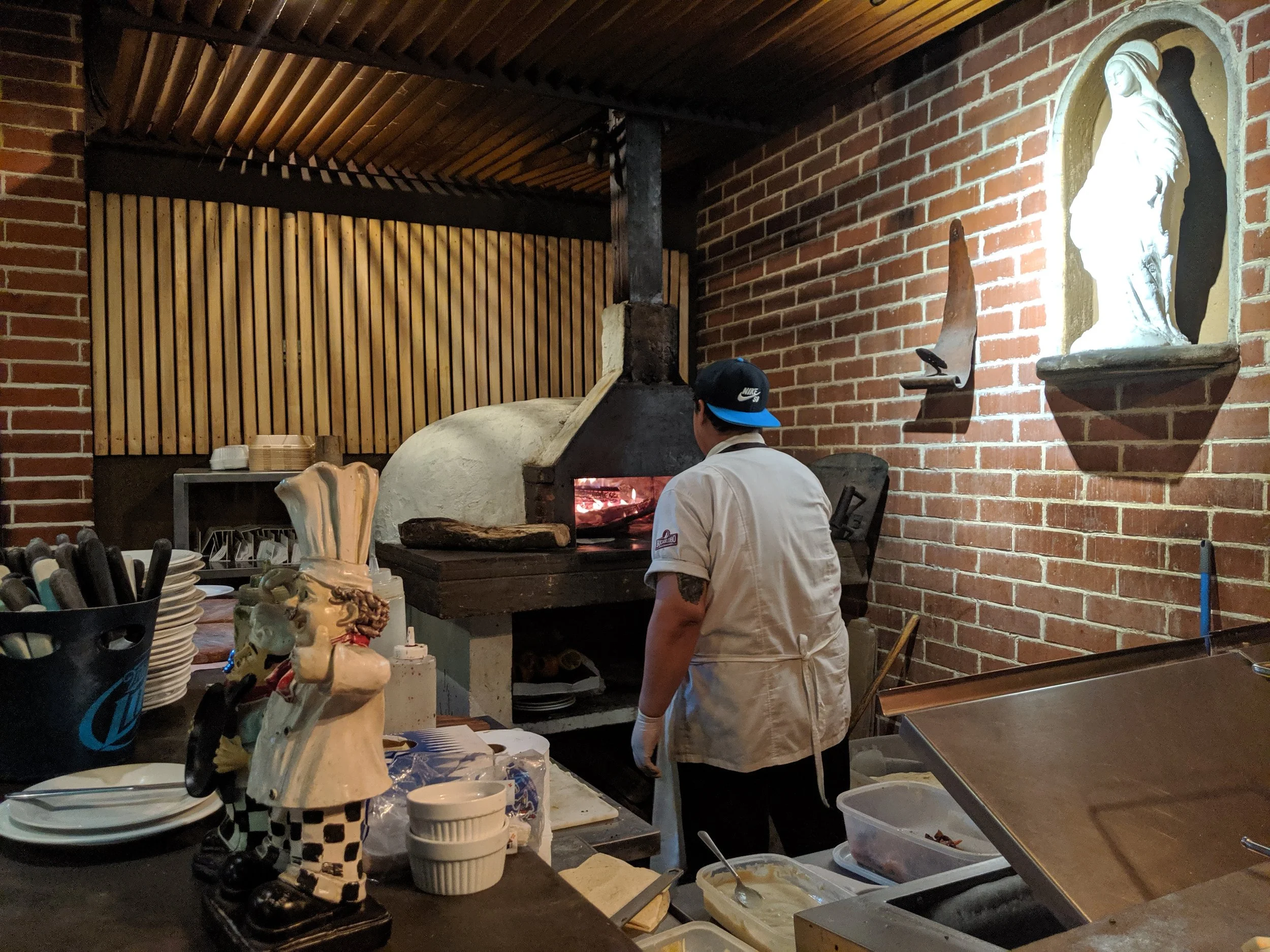
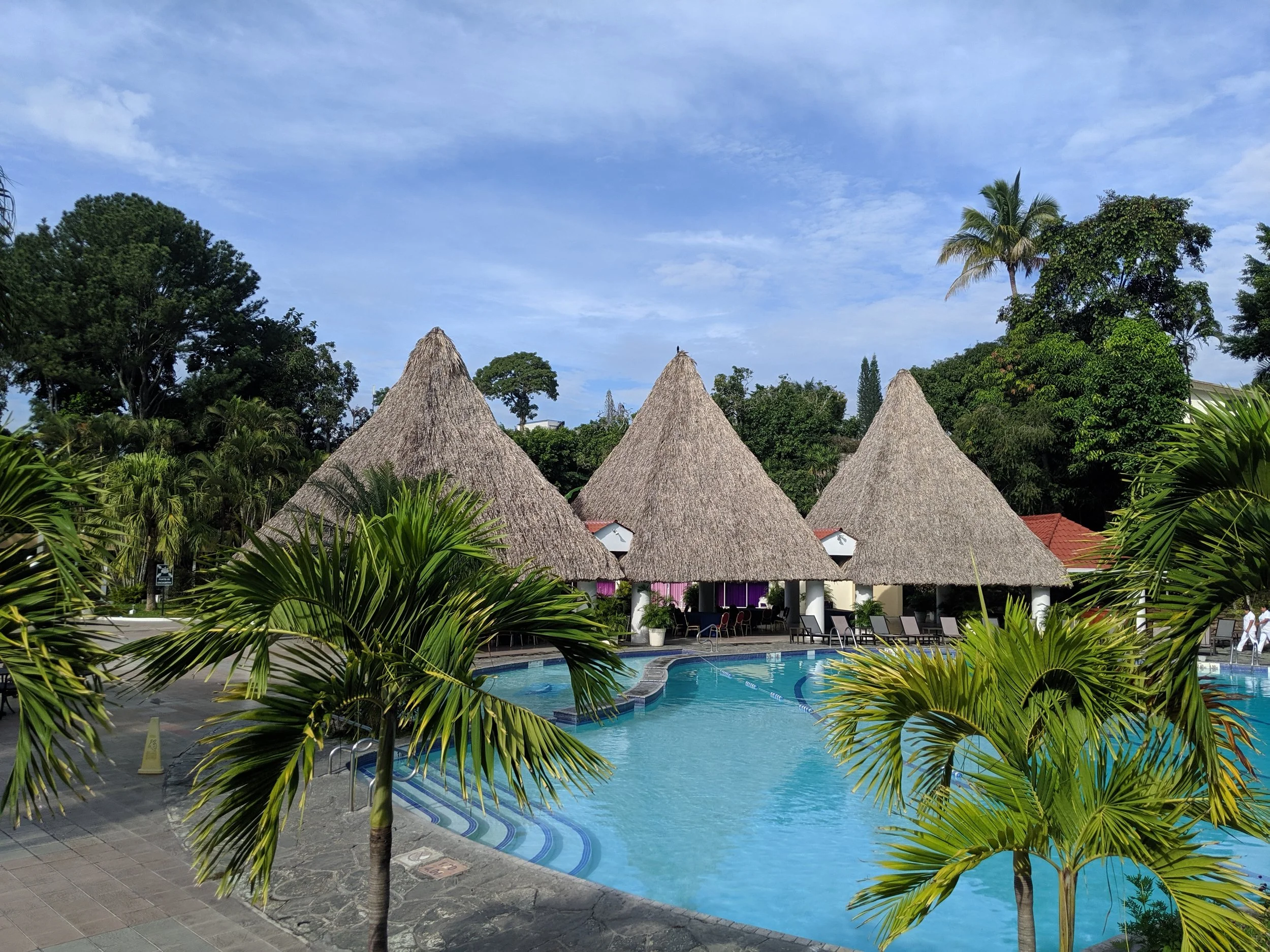
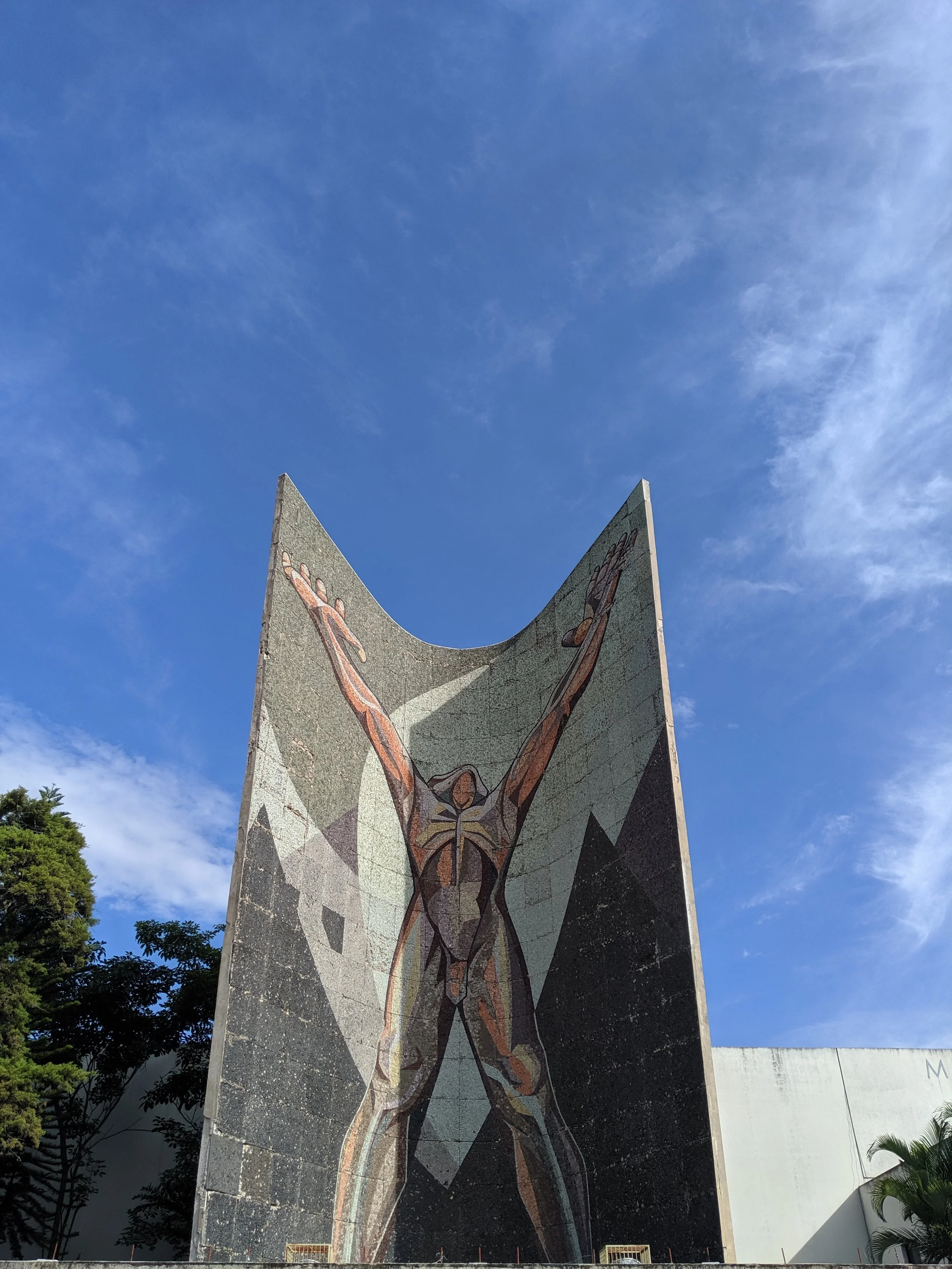
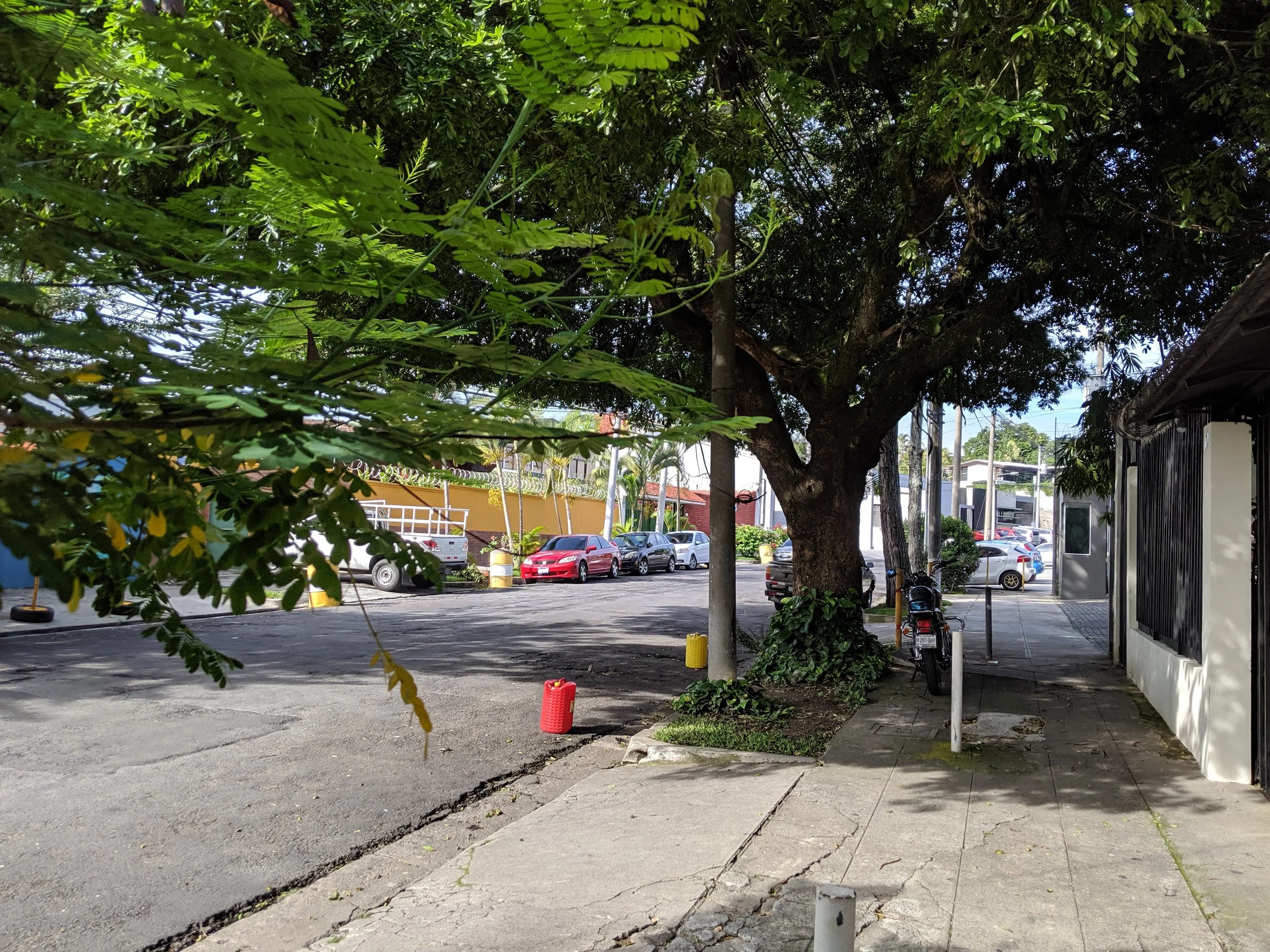
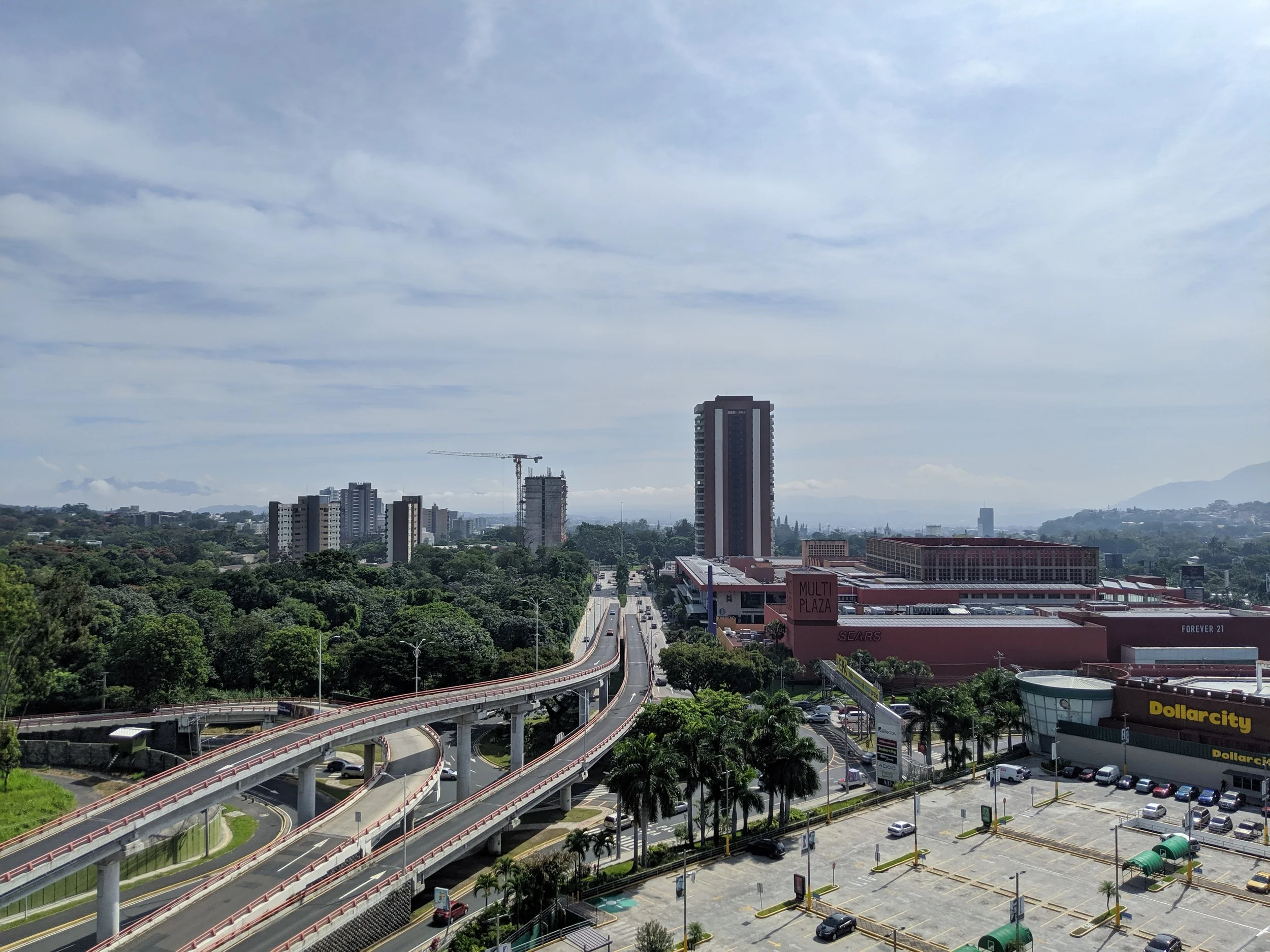
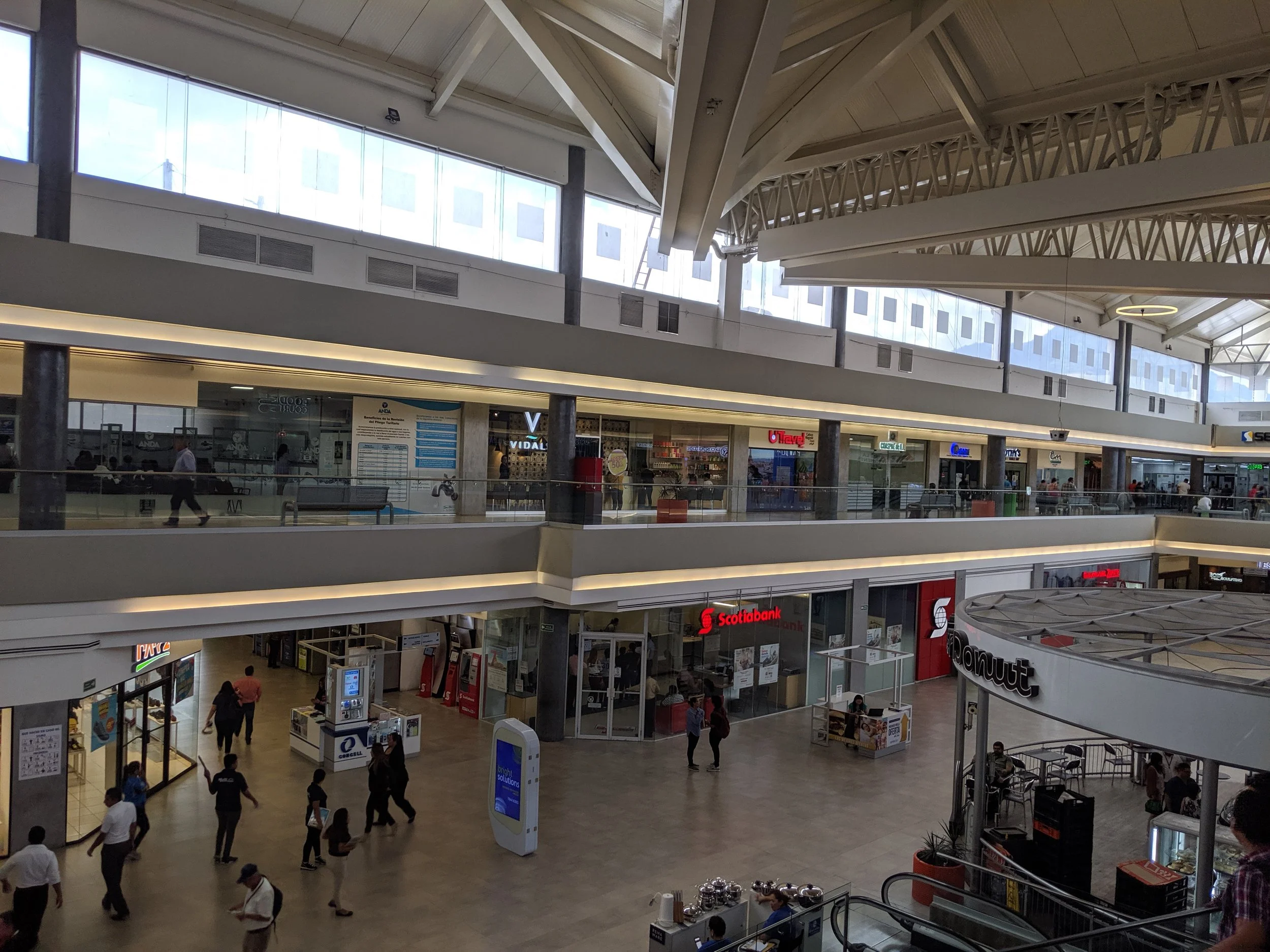
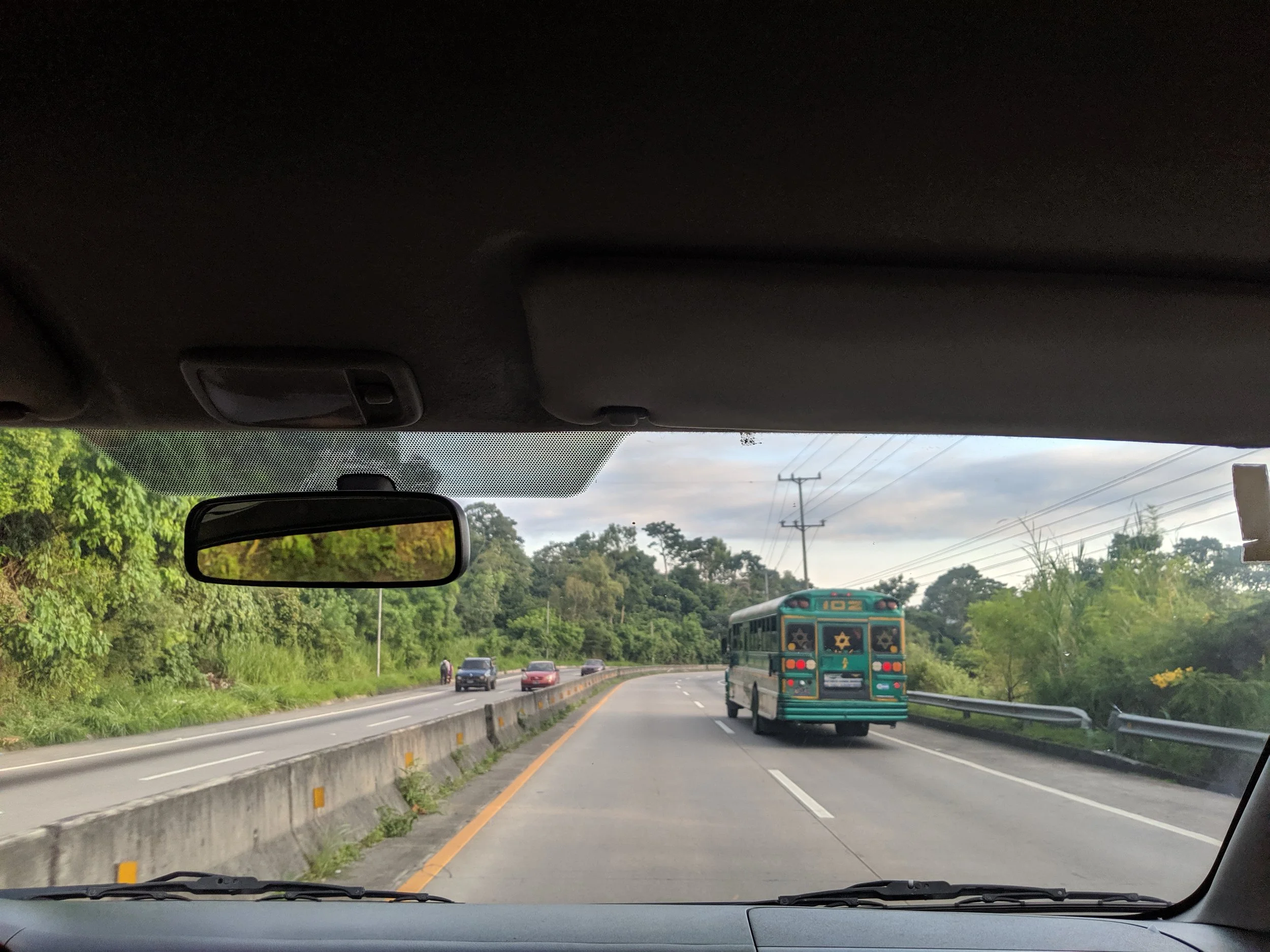
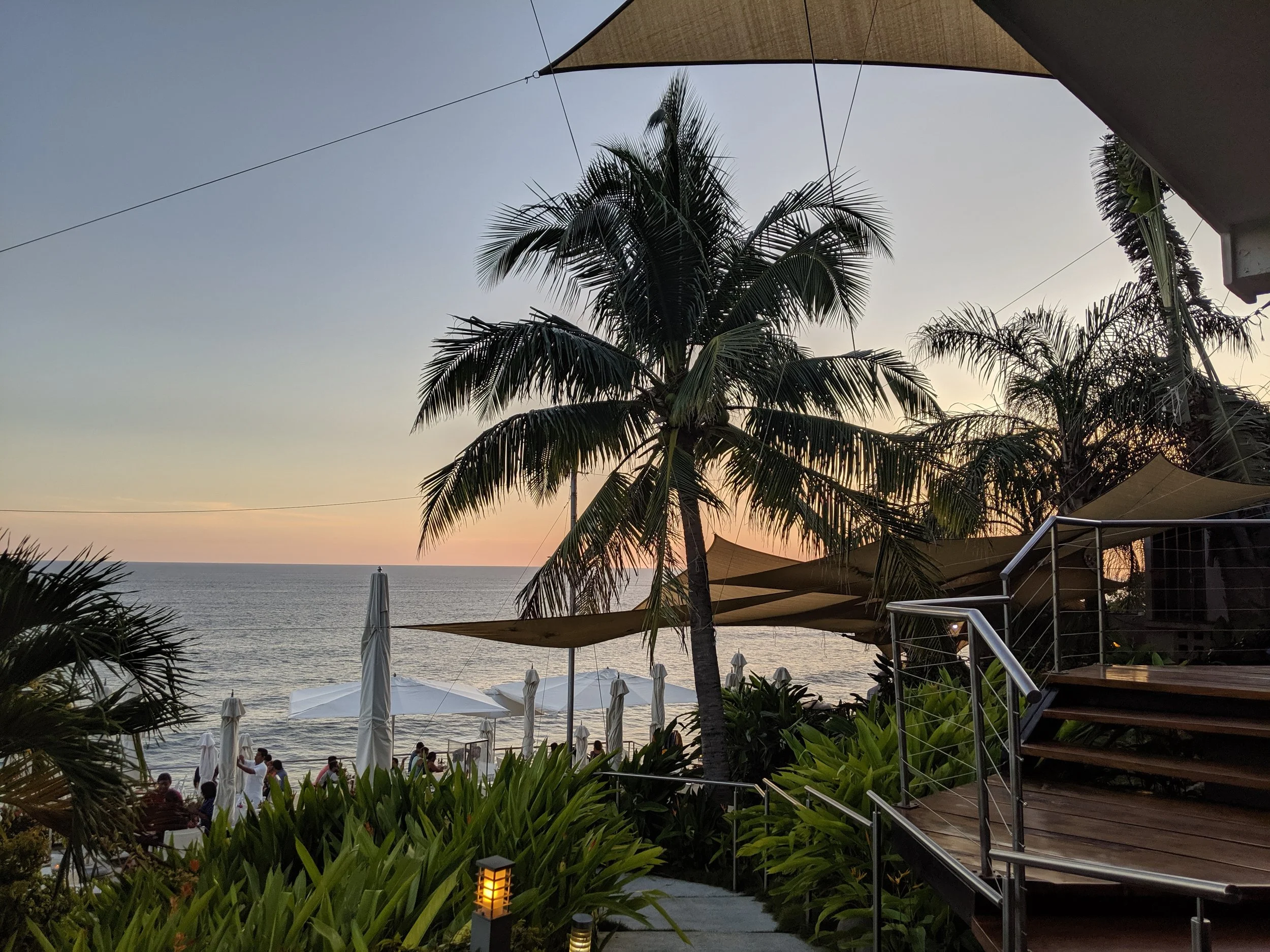
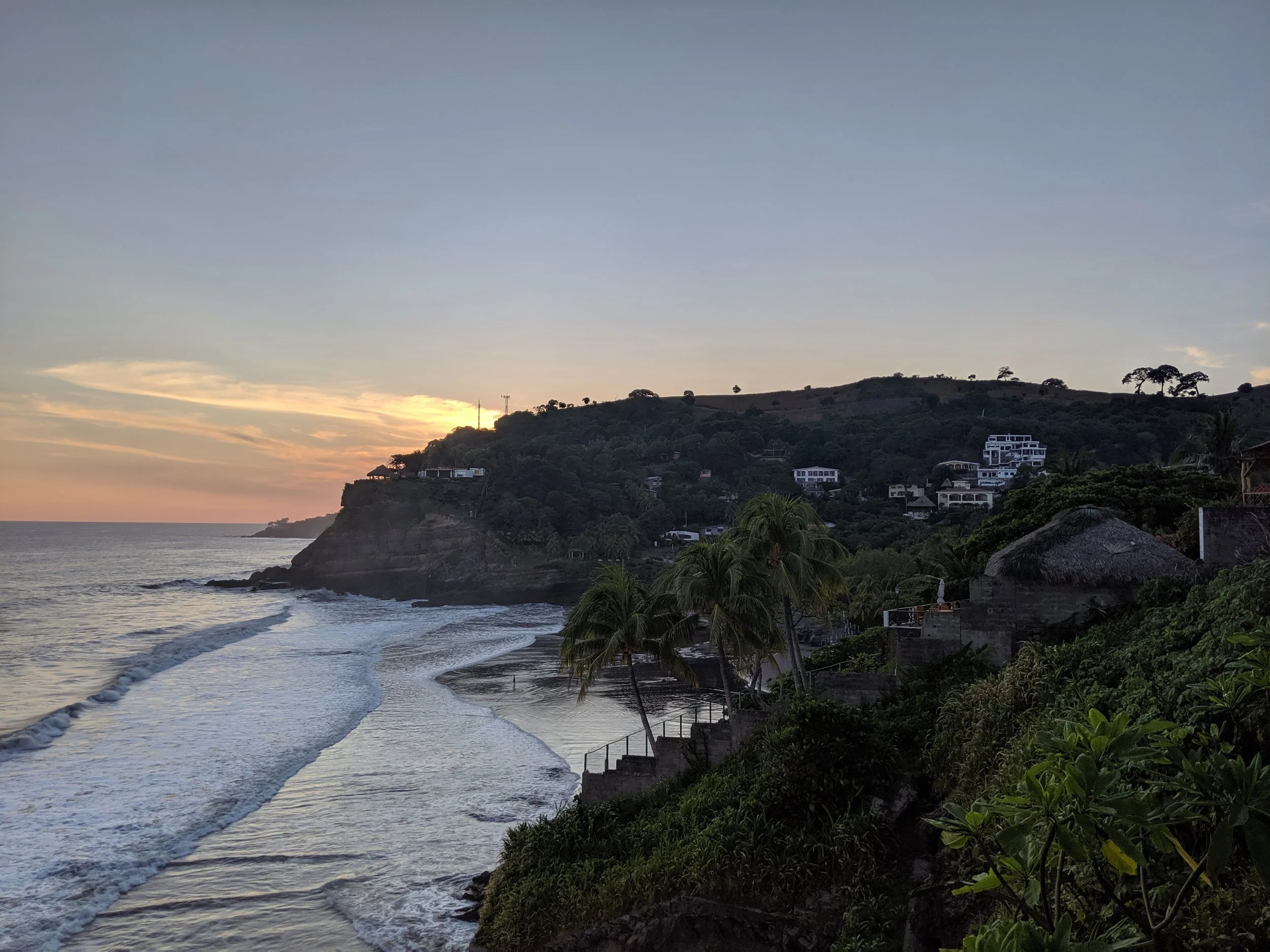
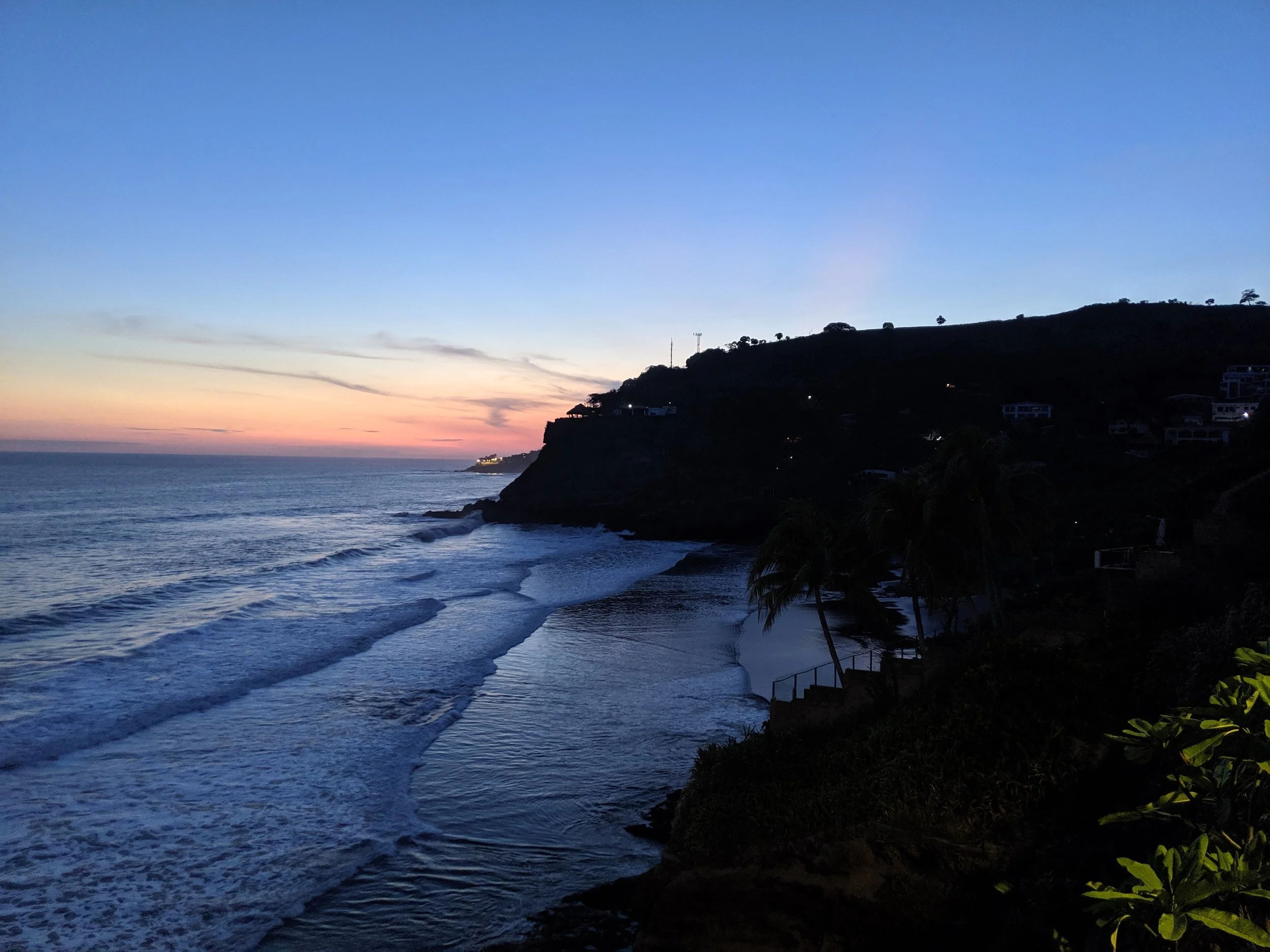
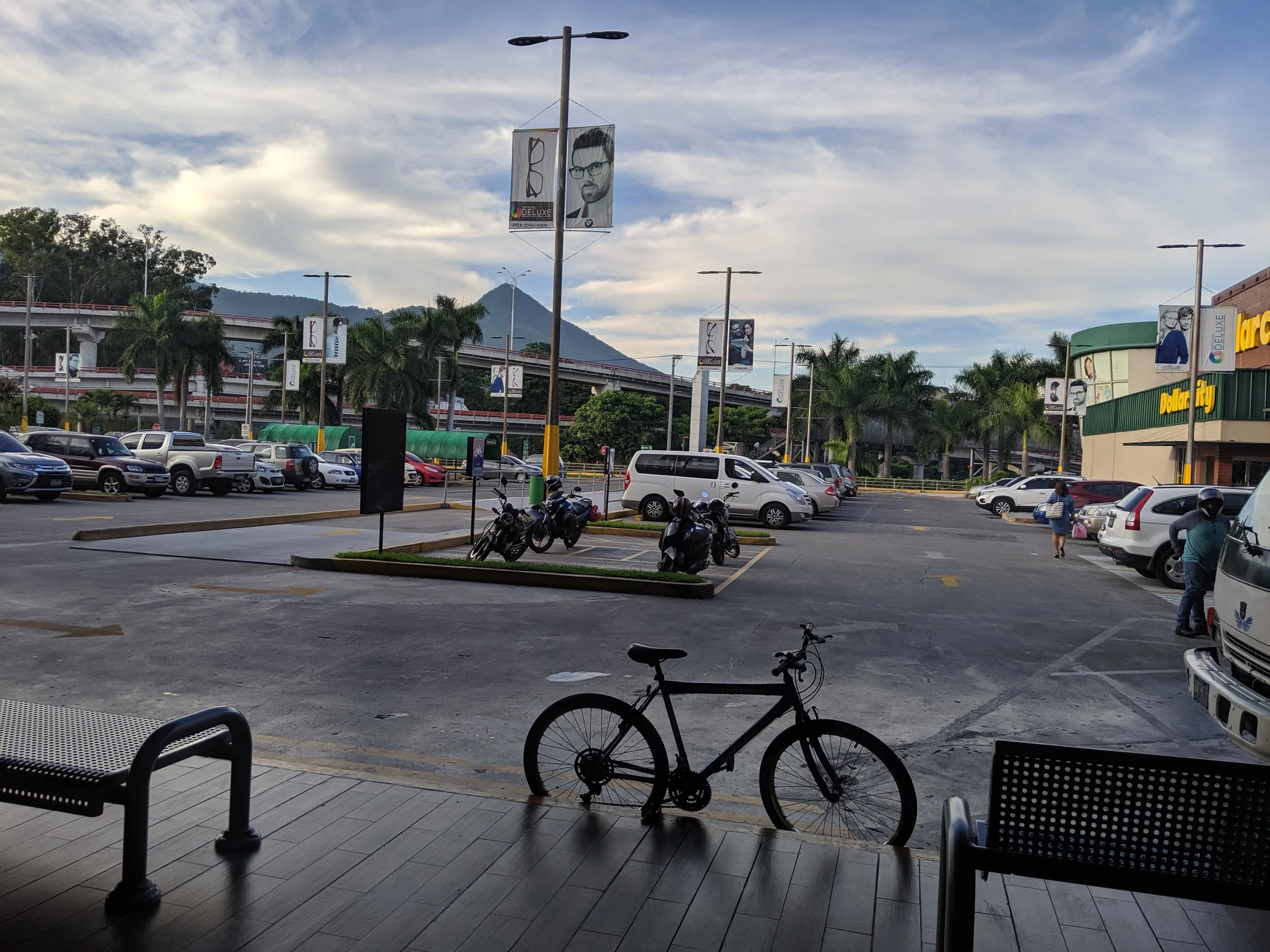
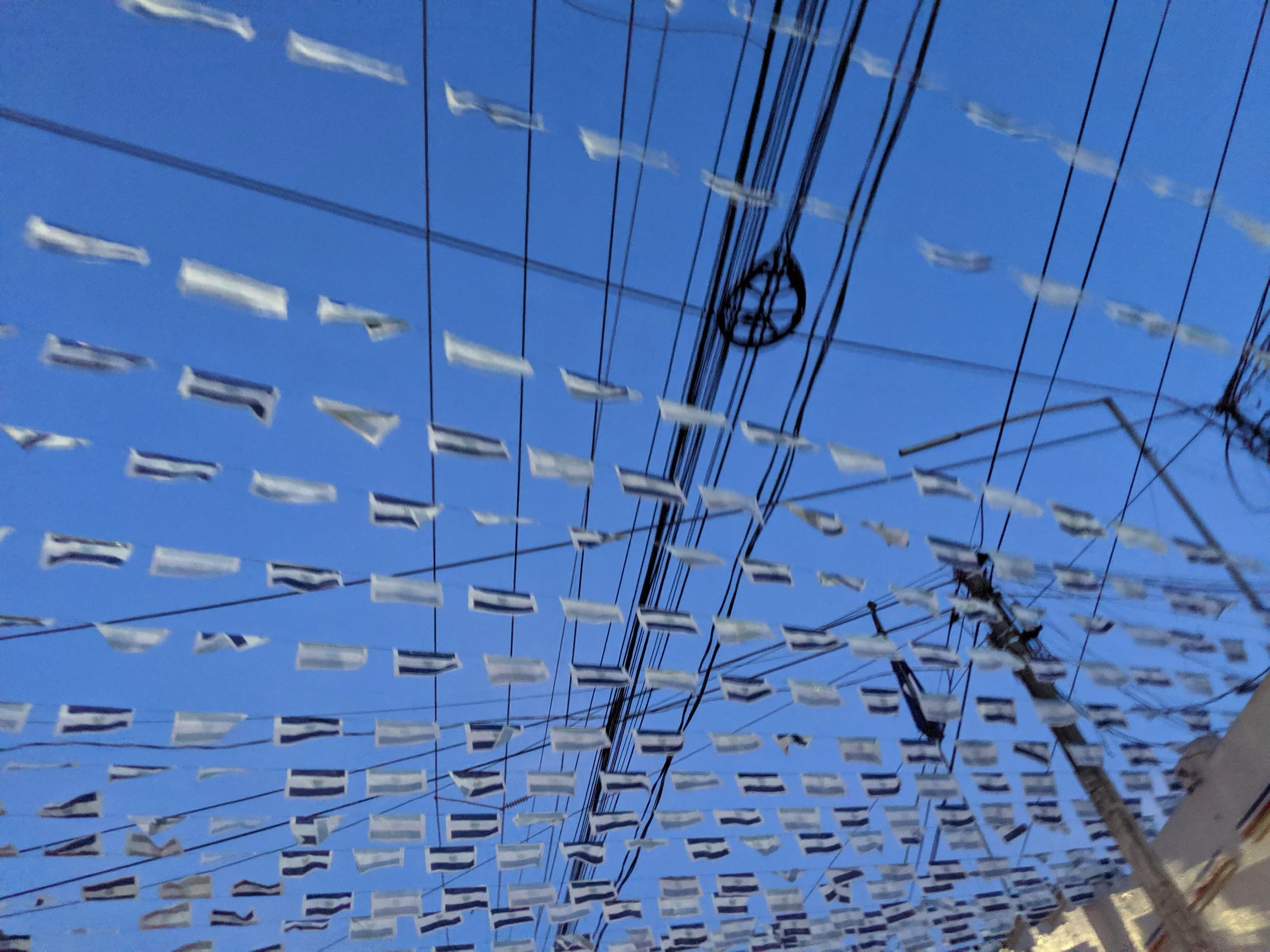
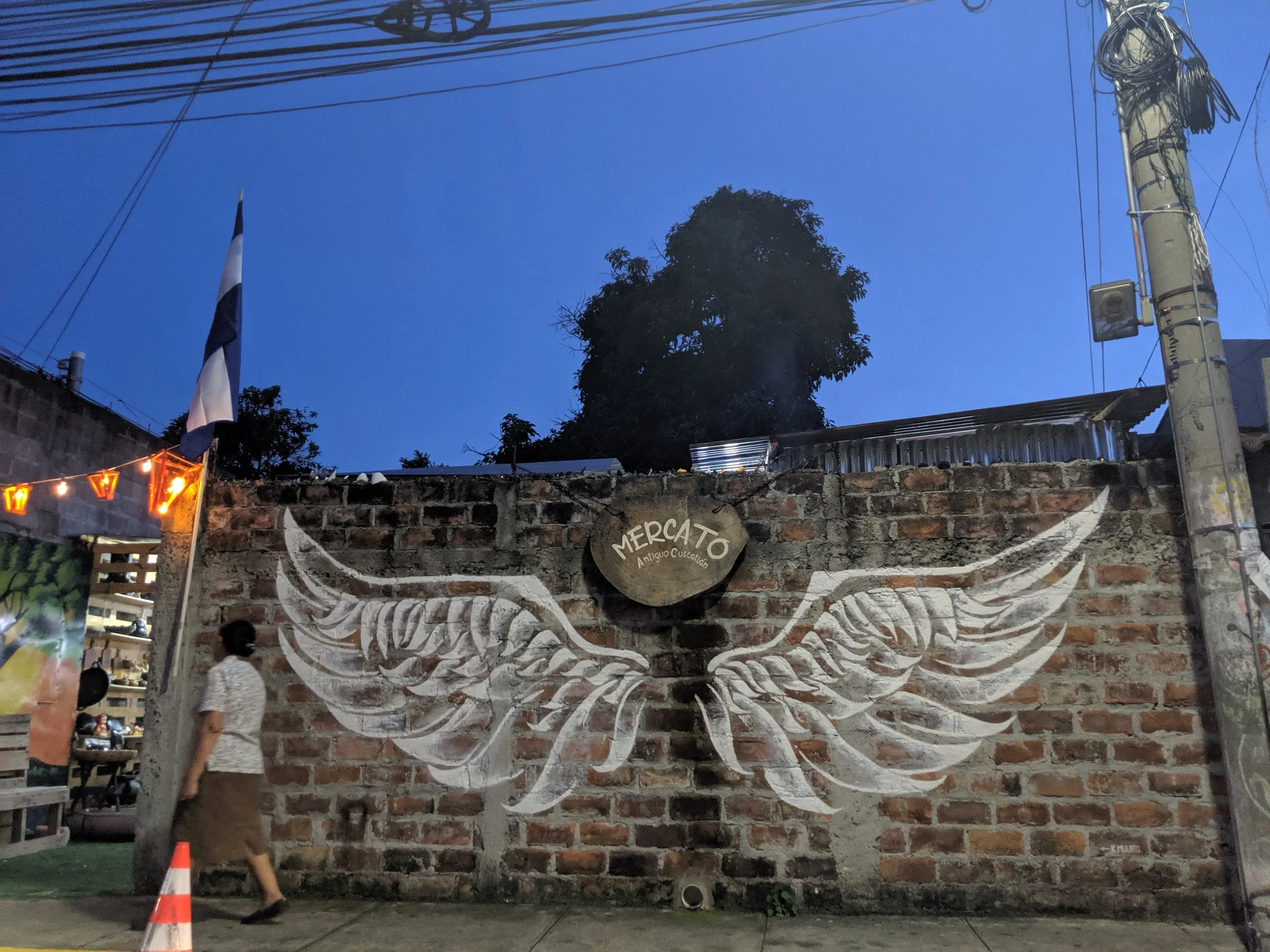
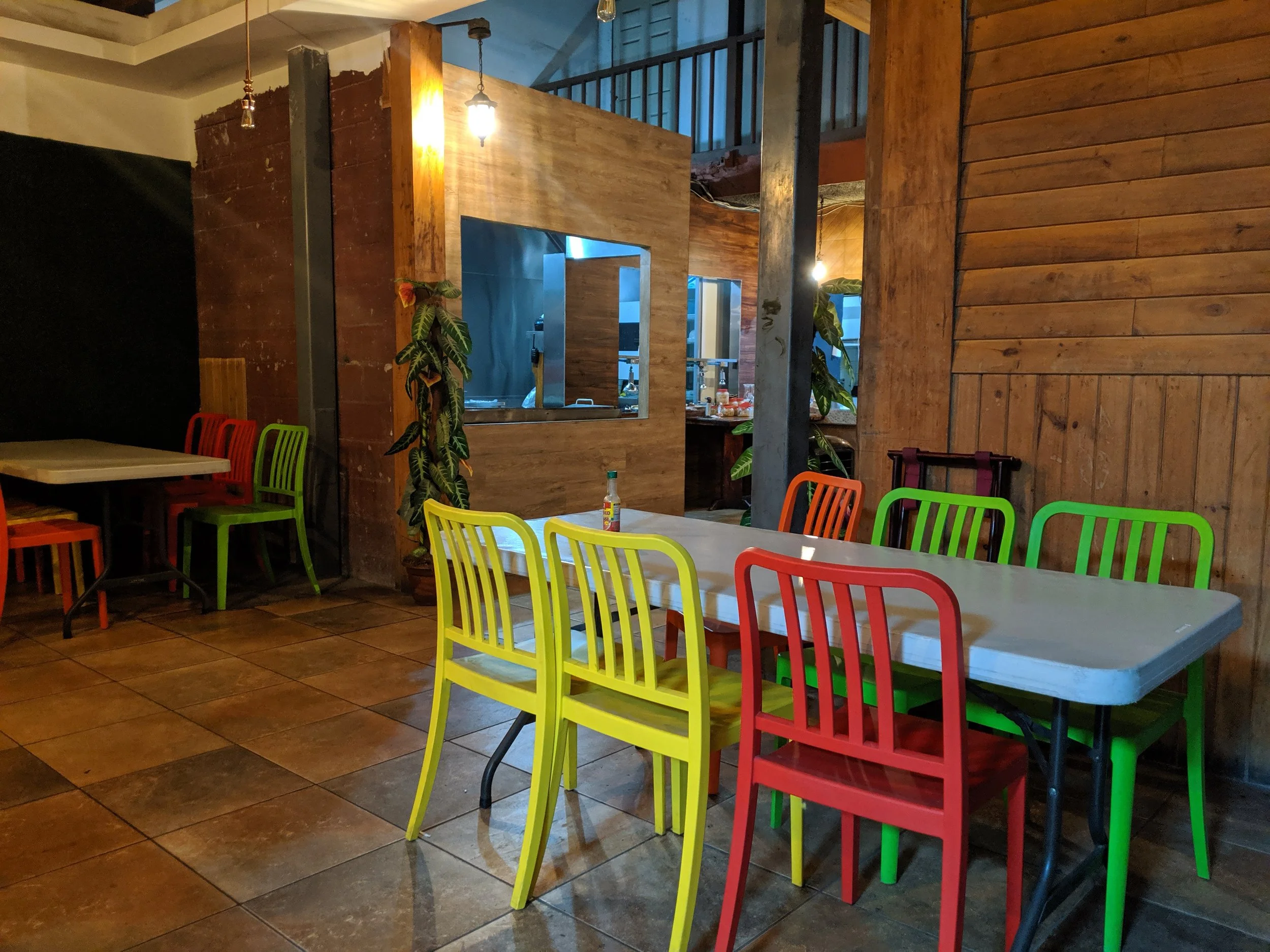

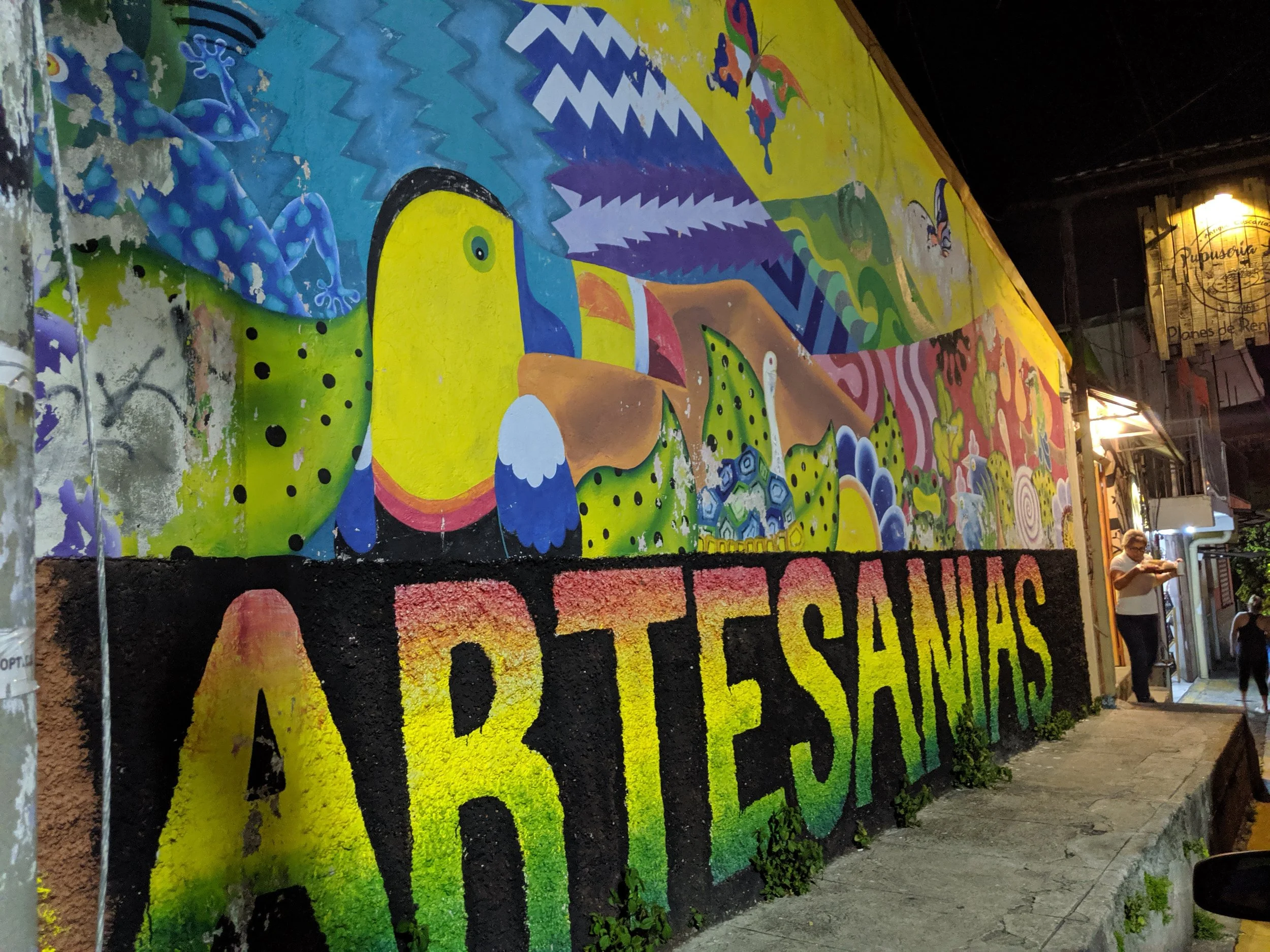
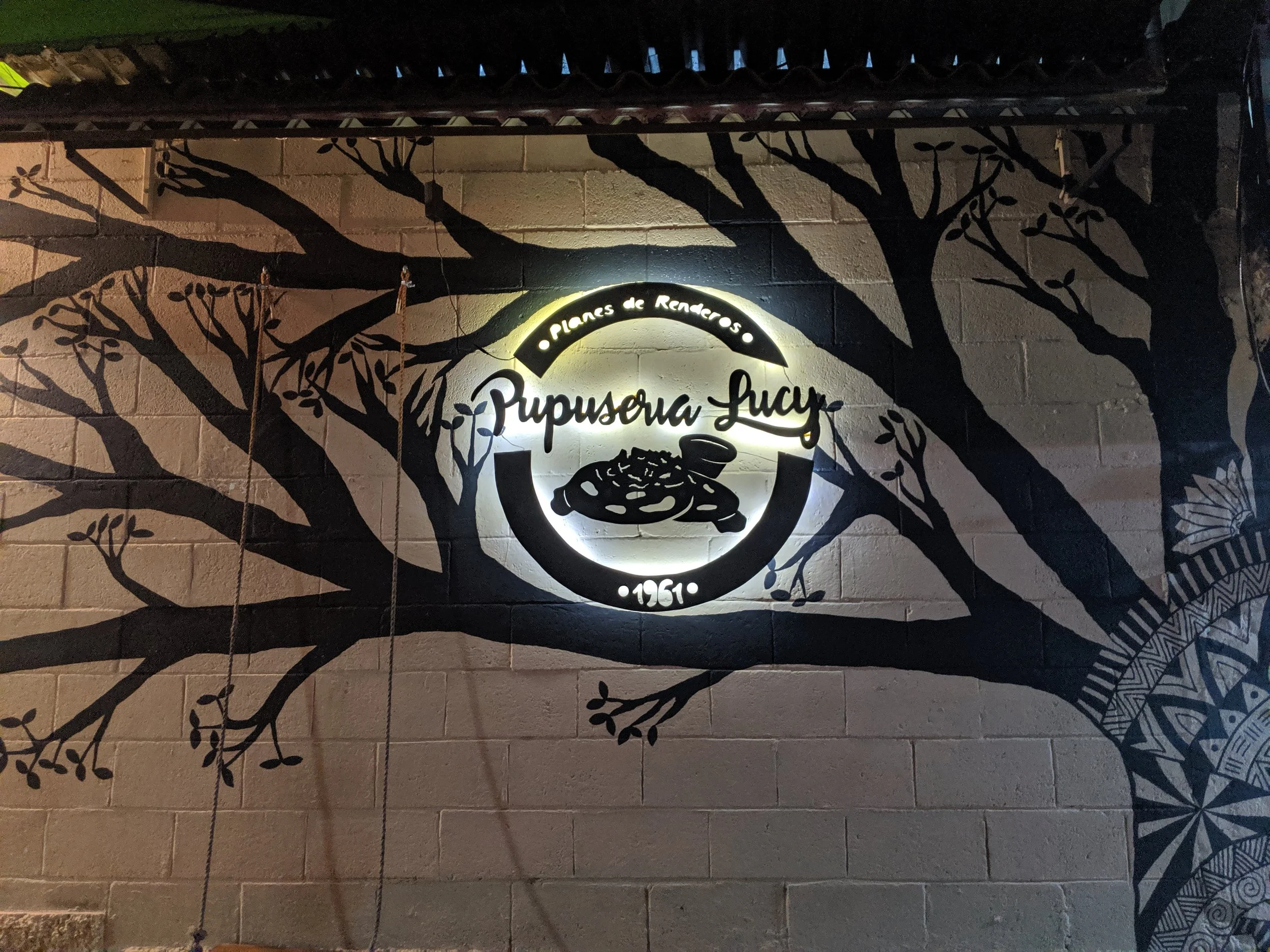
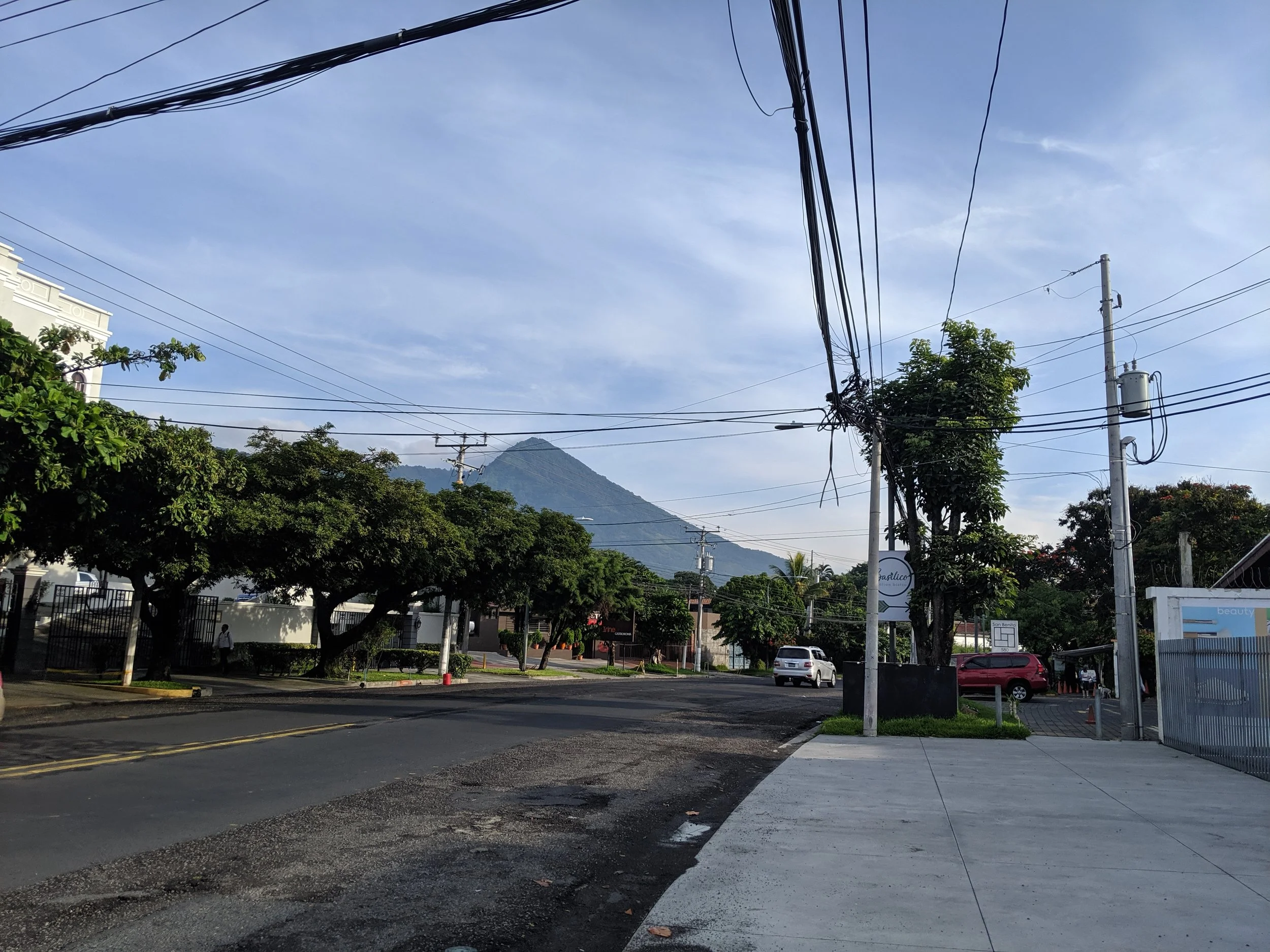
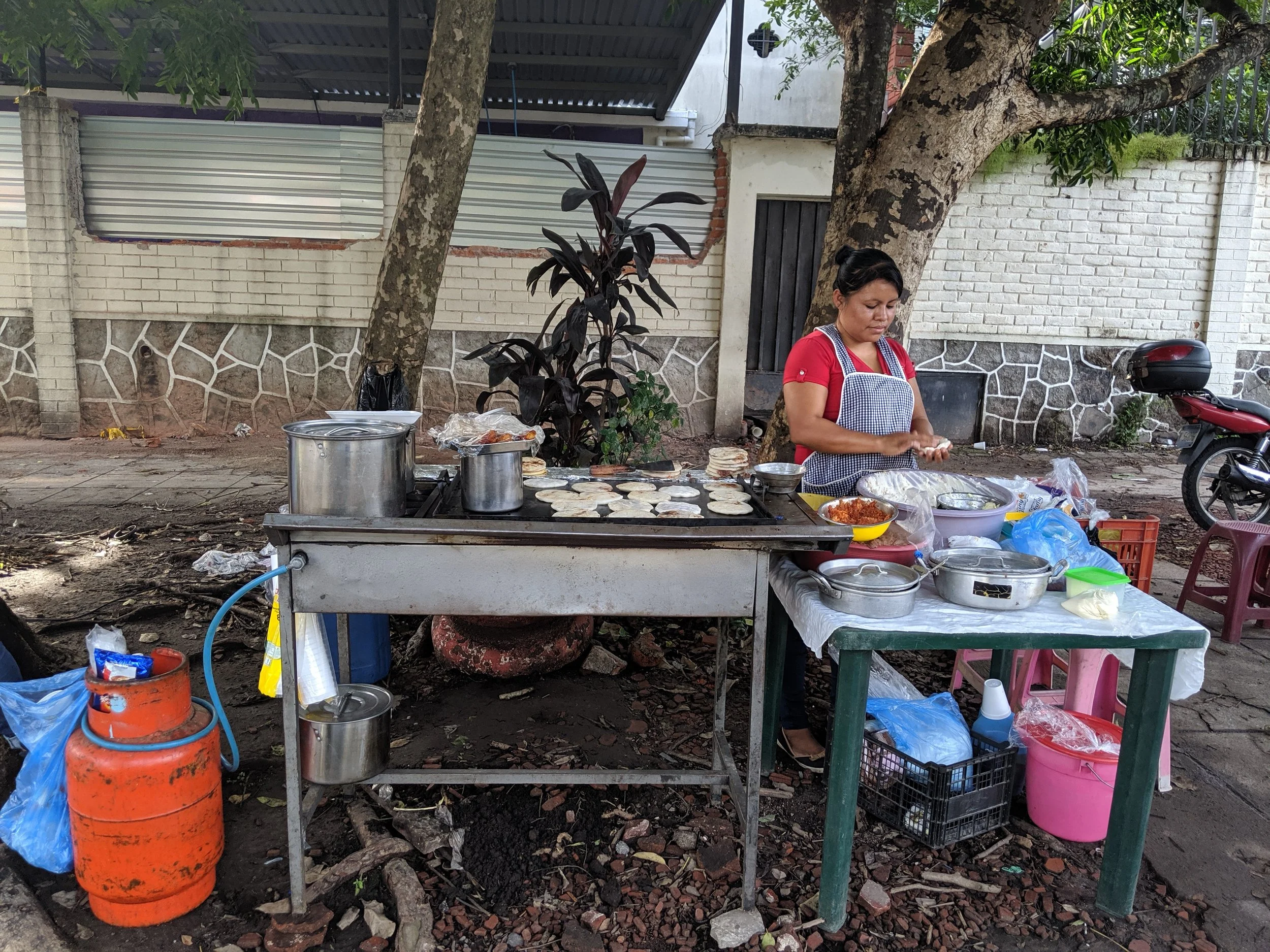
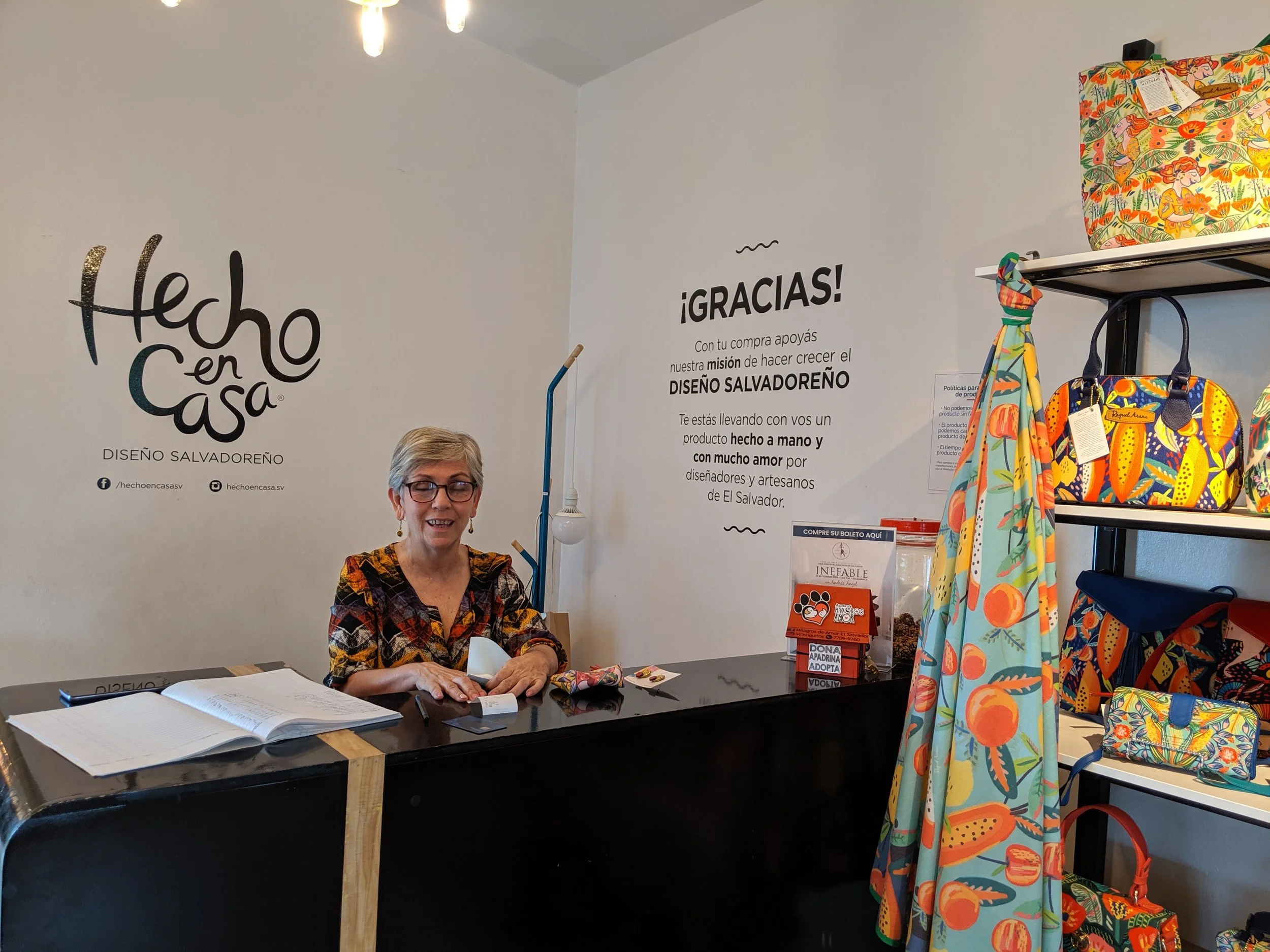
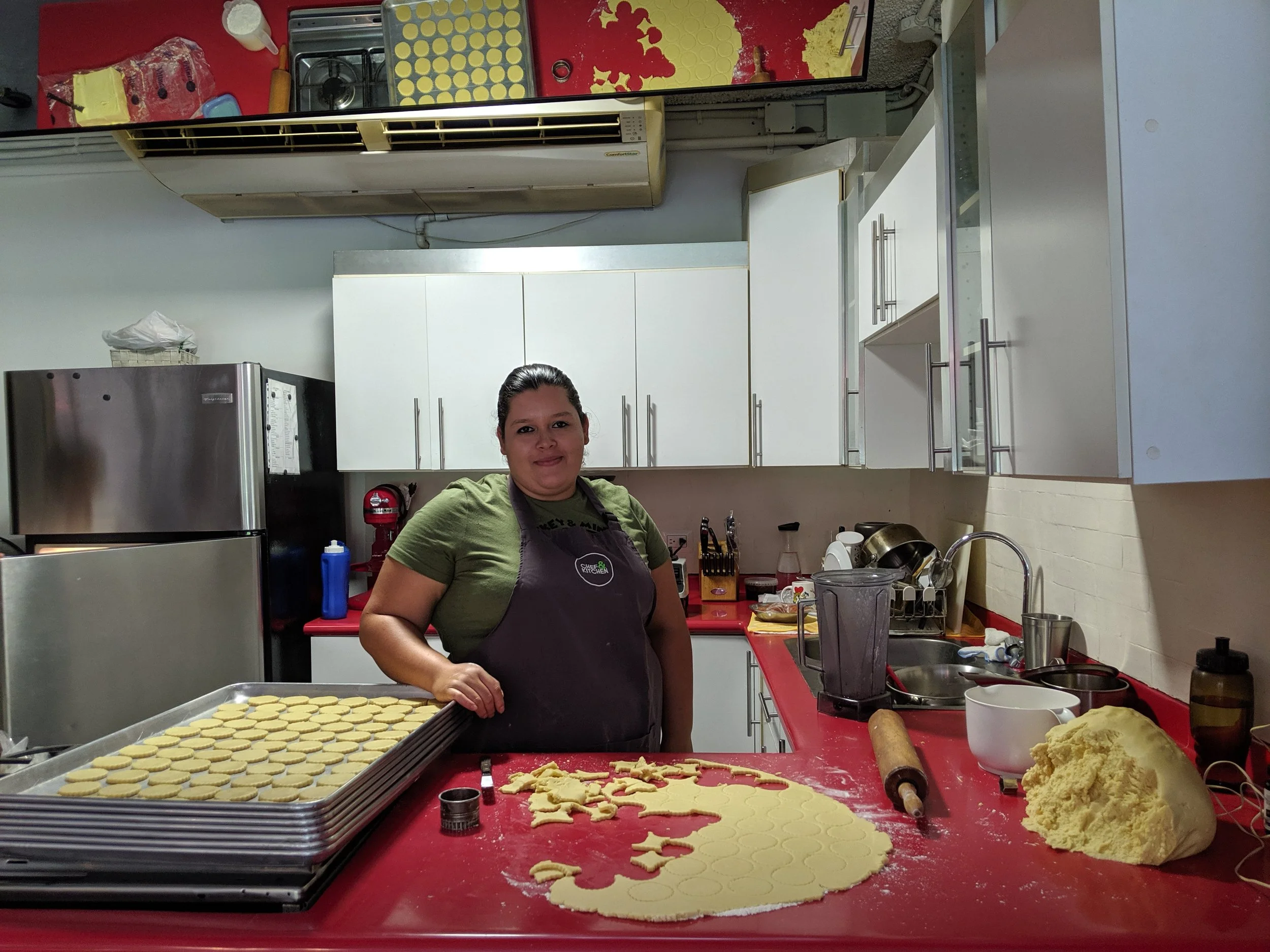
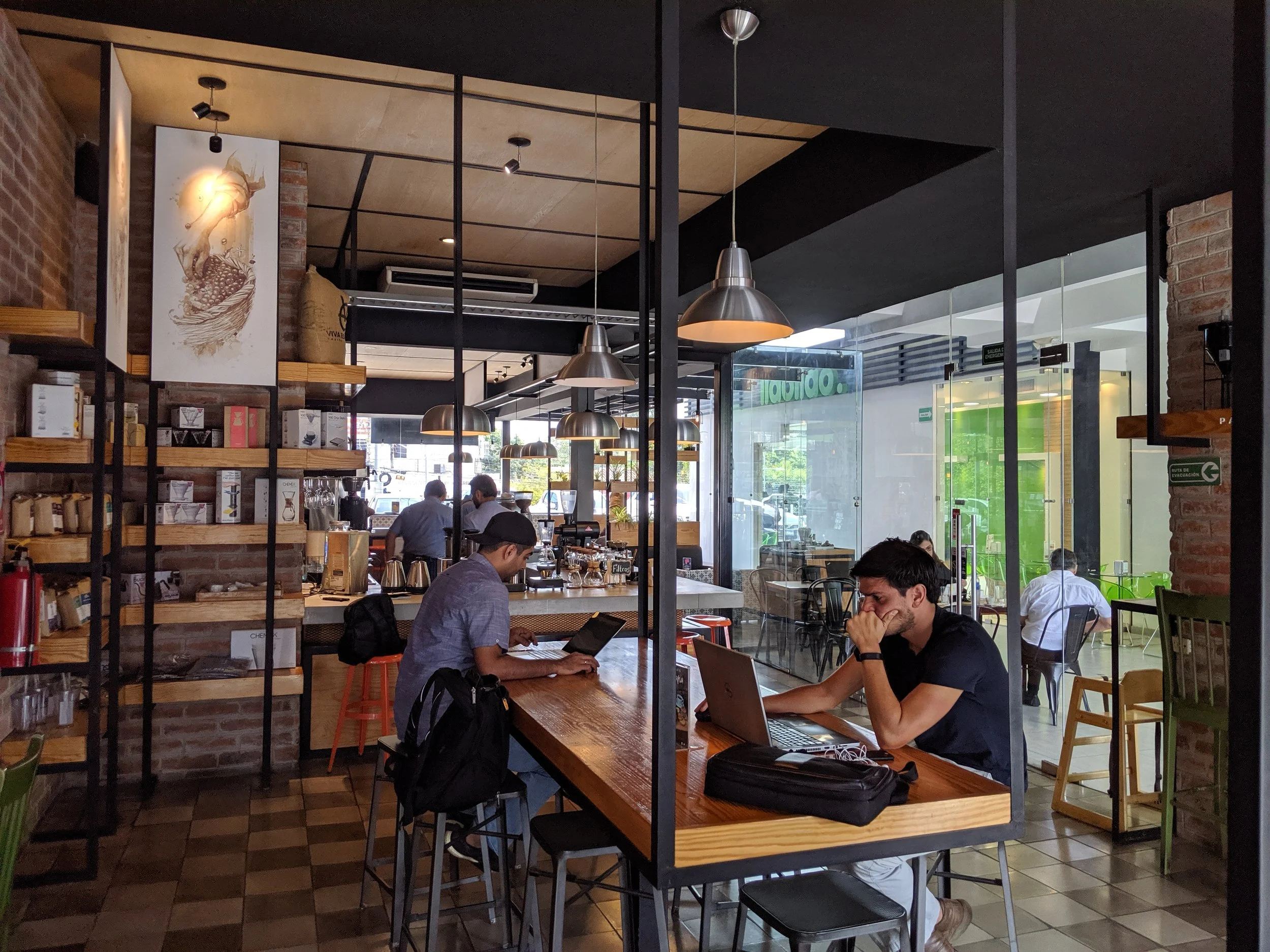
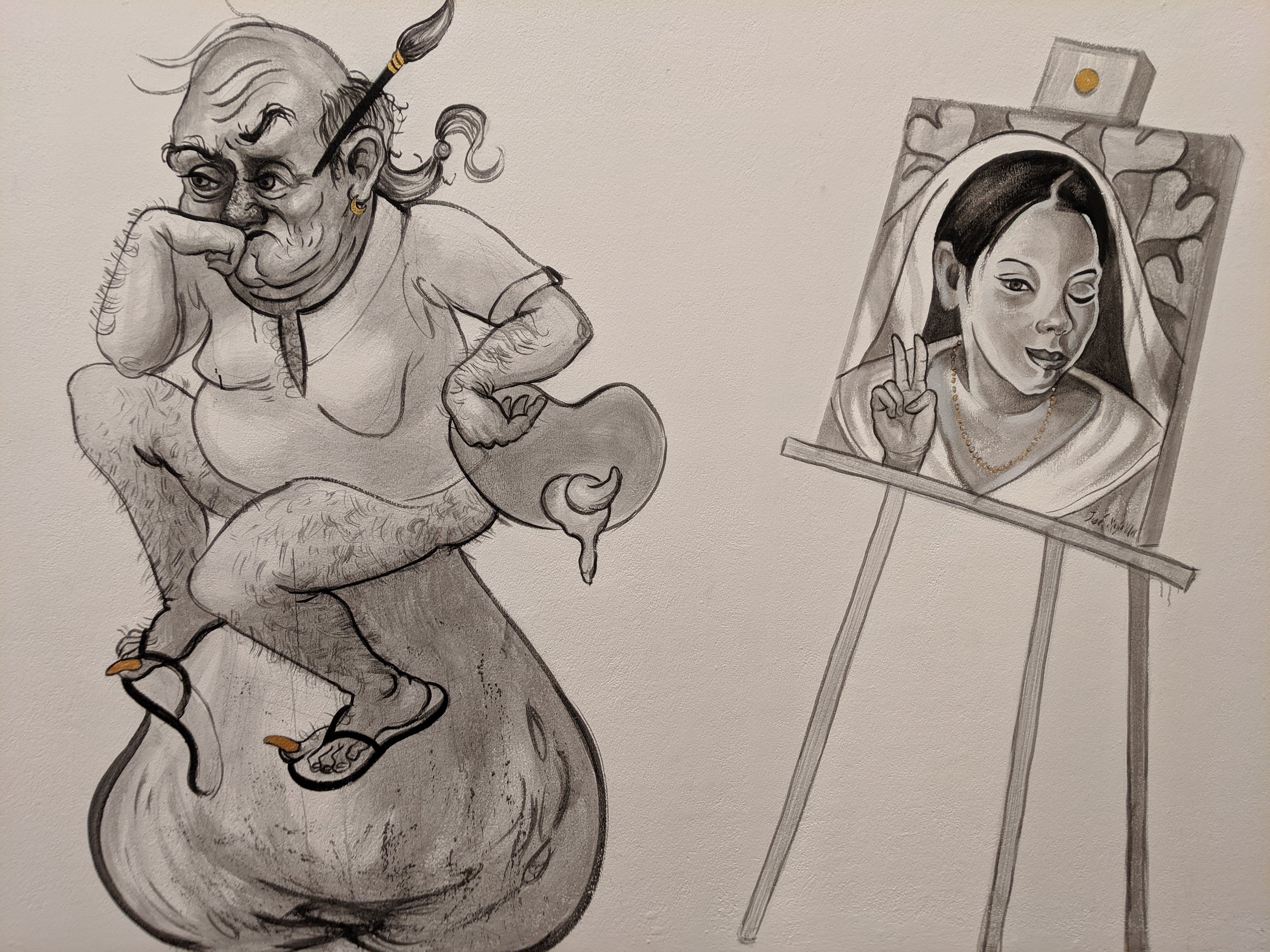
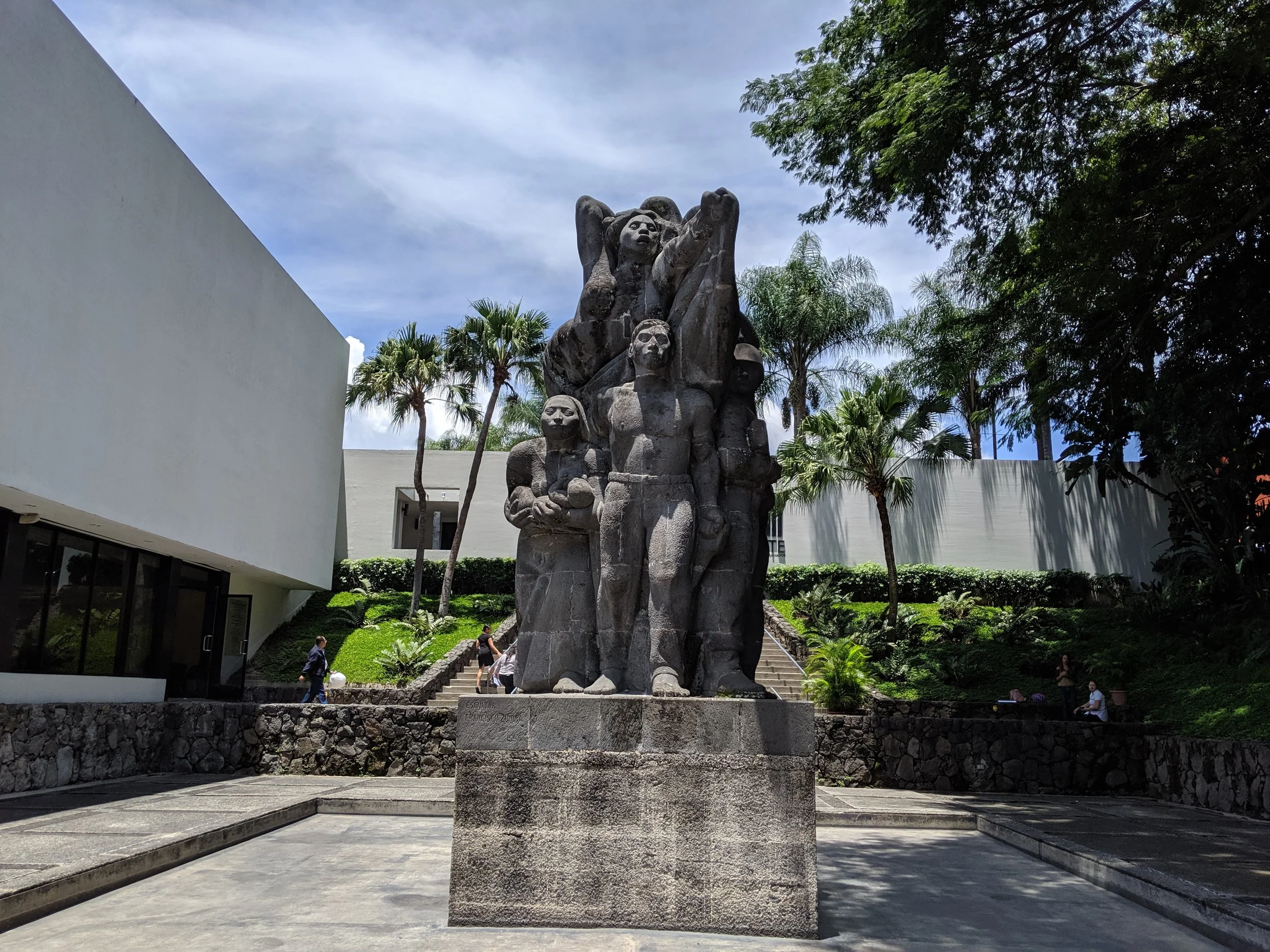
My first trip to any Latin American country. I went with low expectations as I had read about the political instability of the 1980s and all the gang wars plaguing the country making it a little unsafe to travel for foreigners. But once you land, there is a stark difference between what is written in the media versus what you experience on the ground in reality. You have to be a little careful where you go, and that’s true for any travel, but overall the place is reasonably safe if you hang out in the right neighborhoods. I was pleasantly surprised at the liveliness of its people and the rich Salvadoran culture. You see a beautiful country of innocent people, working hard, putting their best feet forward in their day to day life to build a great future for themselves and their family. This spirit of people there instantly creates a connection between you and the place.
El Salvador is a small country in Central America, bordering Guatemala, with roughly 7 million population and many active volcanoes. The climate is tropical all year round giving it a distinct earthy raw feel well connected to nature. The country is so small that the distance between any two opposite ends can be covered in less than three hours. The economy is emerging with not many tall buildings around and reflected in the height of its people, wonder if it's because of the mountainous terrain. The landscape is lush green and flat and not yet fully touched by urbanization, which could be a good thing given how unplanned urbanization can quickly ruin the essence of a place. The country is not rich but distinctly clean, if compared to India. Local people mentioned that roughly sixteen families run the country and own the most real estate, driving a big gap between rich and poor. Almost everyone is passionate about their local food, music and soccer. The younger population is fairly fluent in English but the rest of the population speaks Spanish. Other European languages like Portuguese, French are promoted in international schools as expectations for younger career seeking professionals is to move out of the country and support their families.
Local people often complained about the corrupt political system and the lack of public infrastructure and talked about the turbulent times of the early eighties when the country saw civil war. A lot of rich El Salvadorans moved out of the country at that time but came back later when things quietened. Typical of many El Salvadorans who study abroad but come back to their homeland, when asked for the reason of coming back, all said El Salvador completes them in many unexplainable ways. Family is core to El Salvadorans. The younger women complained innocently that men there don’t give them enough freedom, are chauvinistic and judgemental, something I felt was nothing unique to El Salvador as it’s a global theme.
True for many countries I have traveled far and wide, I find strikingly similar approaches in how people live life in the emerging economies. There is an explainable charm and simplicity in the people who are willing to go the extra mile to make you comfortable in their country. There is a certain curiosity in them to know more about you and your culture especially if you tell them that you grew up in India and live in San Francisco. Locals, irrespective of their financial background, take the responsibility as if they are the brand ambassadors of their country and it’s their responsibility to put a good face of their beautiful country to the outside people. All around the cities I have been to, my general observation is that the less privileged you are, the more you accommodate outside people and make them part of your life. Only if people traveled more and connected at a personal level with each other, would the world be a place with lesser judgement and moral righteousness?
