A great book is both a map and a mirror: it shows us where the world has been and reflects parts of ourselves we haven't yet met. This collection is a tribute to the ideas that challenge our defaults and expand our horizons.
Leadership, Management & Professional Growth
On organizational strategy, scaling businesses, and personal mastery.
Trillion Dollar Coach (Bill Campbell / Eric Schmidt et al.)
High Output Management (Andy Grove)
The Hard Thing About Hard Things (Ben Horowitz)
Measure What Matters (John Doerr)
The Lean Startup (Eric Ries)
Shoe Dog (Phil Knight)
The Start-Up Nation (Dan Senor & Saul Singer)
Mastery (Robert Greene)
The 48 Laws of Power (Robert Greene)
The Intelligent Investor (Benjamin Graham)
Mind Master: Winning Lessons from a Champion's Life (Vishy Anand and Viswanathan Anand)
Indian Classical Music & Arts
A deep dive into the lives and technicalities of India’s musical legends.
Indian Sun: The Life and Music of Ravi Shankar (Oliver Craske)
Zakir Hussain: A Life in Music (Nasreen Munni Kabir)
Classical Music of India: A Practical Guide (L. Subramaniam)
The Practice of Nada (Baird Hersey)
Song of the Clay Pot: My Journey with the Ghatam (Sumana Chandrashekar)
Spirituality, Yoga & Philosophy
On internal development, mindfulness, and ancient wisdom.
Autobiography of a Yogi (Paramhansa Yogananda)
Be Here Now (Ram Dass)
Love Everyone (Parvati Markus)
The Heart of Yoga (T.K.V. Desikachar)
Light on the Yoga Sutras of Patanjali (B.K.S. Iyengar)
The Bible and The Talmud
Design, Data & Communication
Bridge the gap between technical execution and human-centric presentation.
Design as Art (Bruno Munari)
Creative Confidence (Tom & David Kelley)
Storytelling with Data (Cole Nussbaumer Knaflic)
The Story Factor (Annette Simmons)
Presence (Amy Cuddy)
Modern Literature & Classics:
A mix of 20th-century staples and contemporary masterpieces.
The Sun Also Rises & A Moveable Feast (Ernest Hemingway)
The Great Gatsby (F. Scott Fitzgerald)
Hamlet (William Shakespeare)
1984 (George Orwell)
The God of Small Things (Arundhati Roy)
Never Let Me Go & The Remains of the Day (Kazuo Ishiguro)
Norwegian Wood (Haruki Murakami)
Life of Pi (Yann Martel)
The Unbearable Lightness of Being (Milan Kundera)
Shantaram (Gregory David Roberts)
The Promise (Damon Galgut)
Disgrace (J.M. Coetzee)
History, Society & Human Connection
Narratives that explain how we got here and how we relate to one another.
Sapiens: A Brief History of Humankind (Yuval Noah Harari)
Age of Ambition (Evan Osnos)
150 American Events (Bennett & Cribb)
When Breath Becomes Air (Paul Kalanithi)
Confessions of a Book Lover (Ruskin Bond)
The Five Languages of Love (Gary Chapman)
Why Him? Why Her? (Helen Fisher)
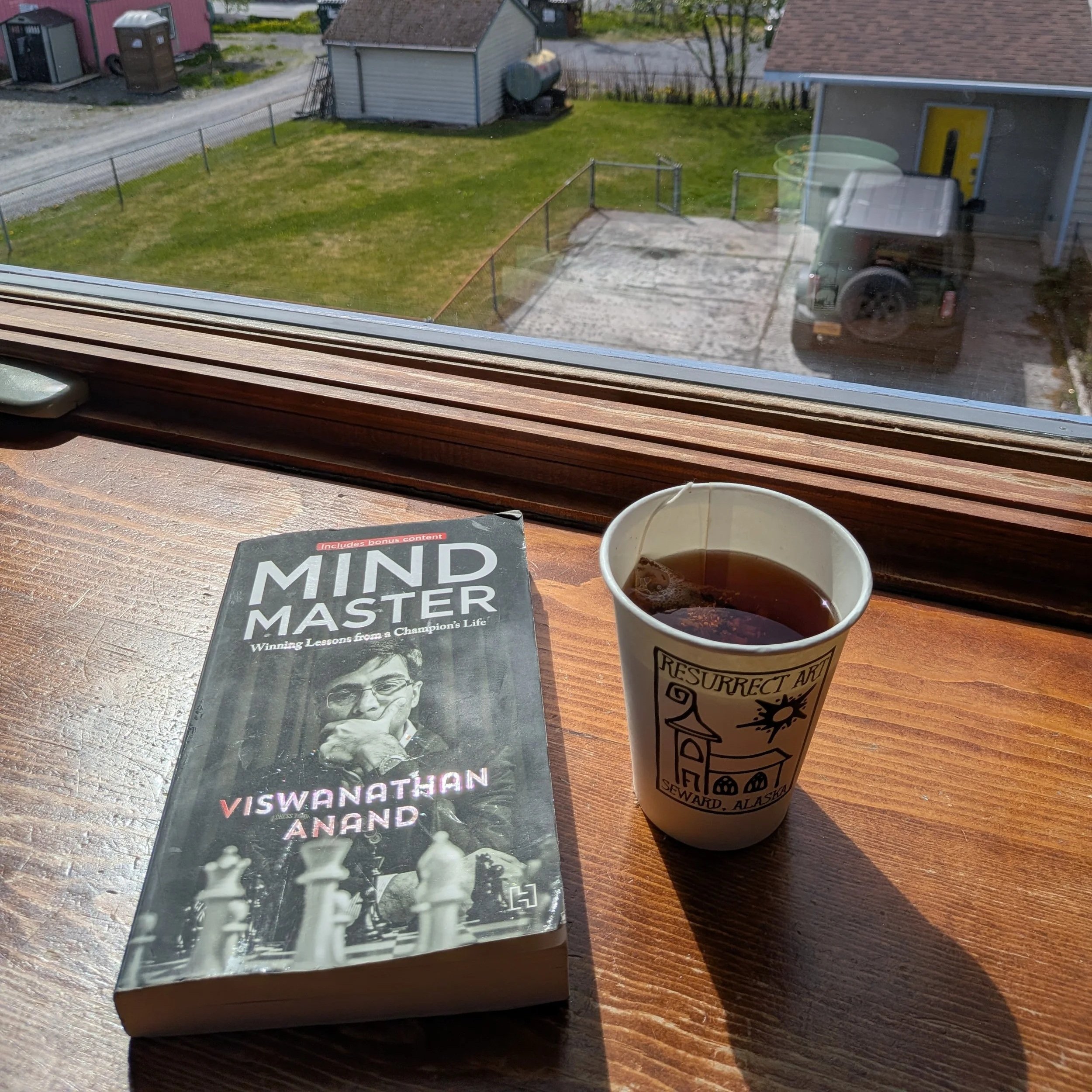
Mind Master: Winning Lessons from a Champion's LifeBook by Vishy Anand and Viswanathan Anand
My love for chess started when I was a child. We lived in a joint family, and my uncle, a fatherly figure who was also a math teacher, laid the foundation for my interest in the game. I secretly nurtured this passion and eventually played in the finals of a local tournament in a community where students from 200 apartments participated. I lost the finals and came home crying. That memory is still embedded in my mind—that sweet pain you feel when you are so close to winning. While my love for the game never went much further as I got busy with academics and life, I have always appreciated the mental stimulation it provides. If you get into it, it is like a video game: addictive, holding you in its grip.
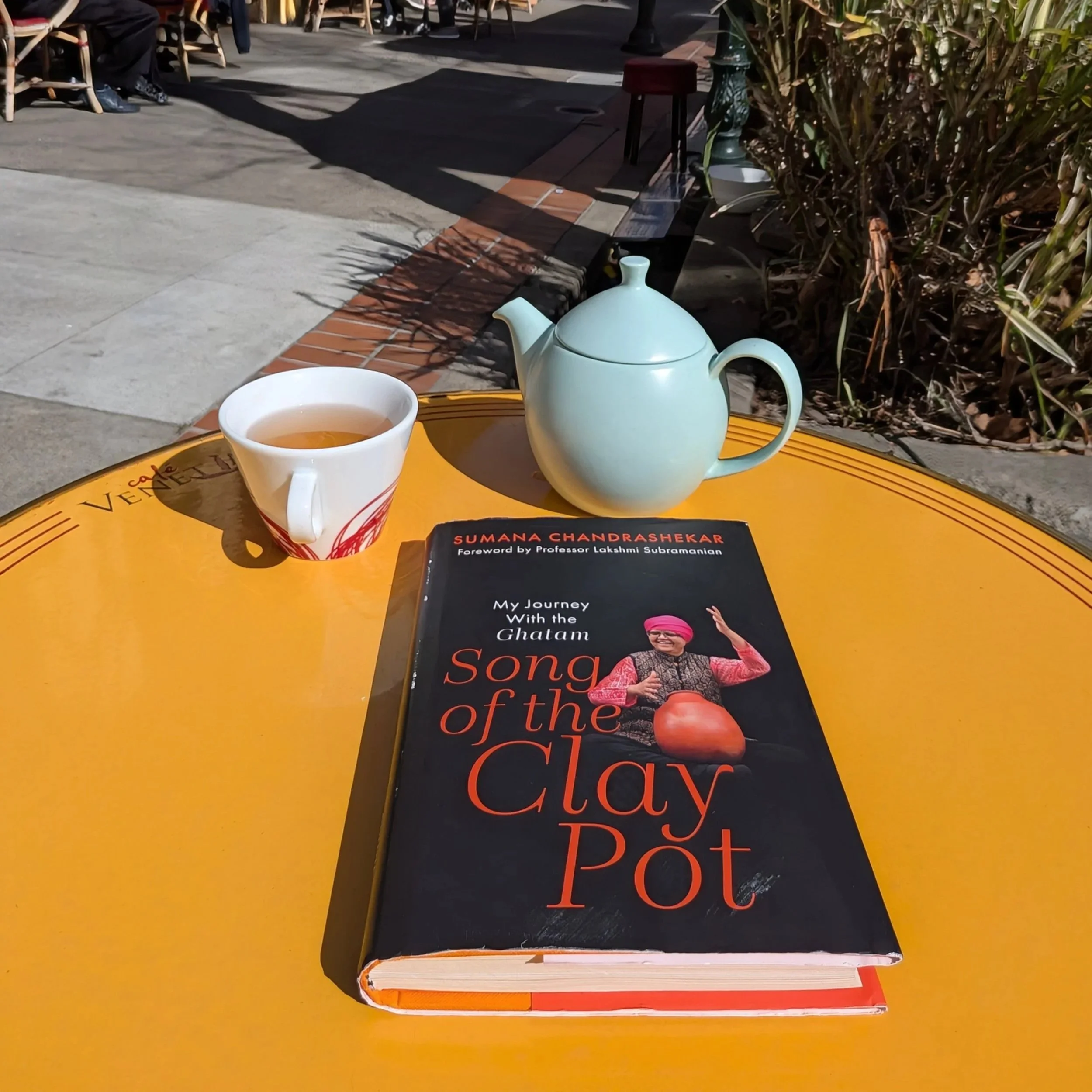
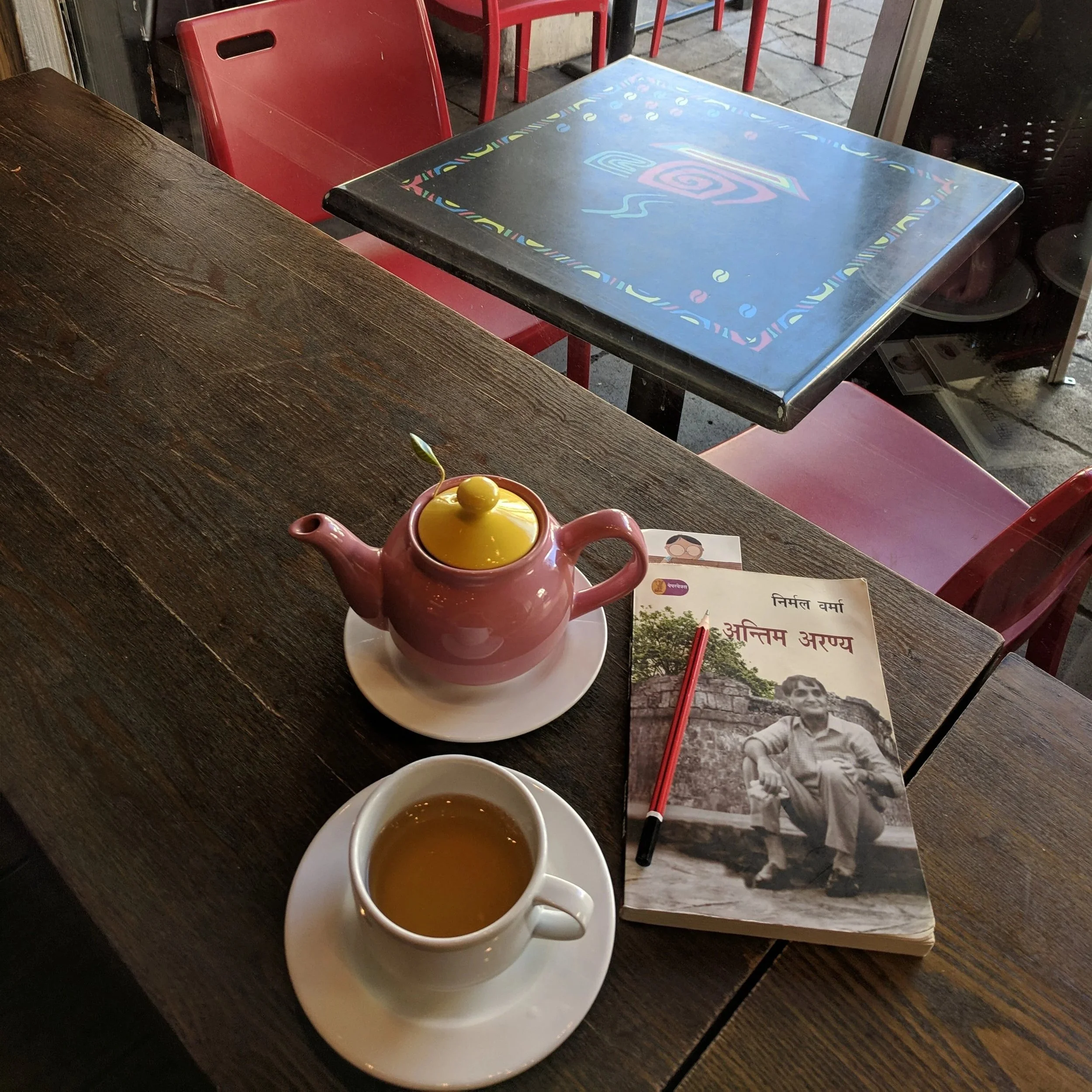
Antim Aranya (The Last Wilderness) -Nirmal Verma.
For the first time I read a book in Hindi by an Indian Hindi author. I was sitting at Starbucks in Delhi, when I saw someone reading Shakespeare adjacent to my table. We started talking and later became friends. This person challenged me to read more Hindi literature and suggested Nirmal Verma (and a few other names). Out of curiosity, I picked this book Nirmal Verma wrote before he passed away in 2005, from a local book store in Delhi. Reading literary fiction (vs speaking) in your native language can be a bit challenging in the beginning, but once you get the hang of it, you get into the flow.
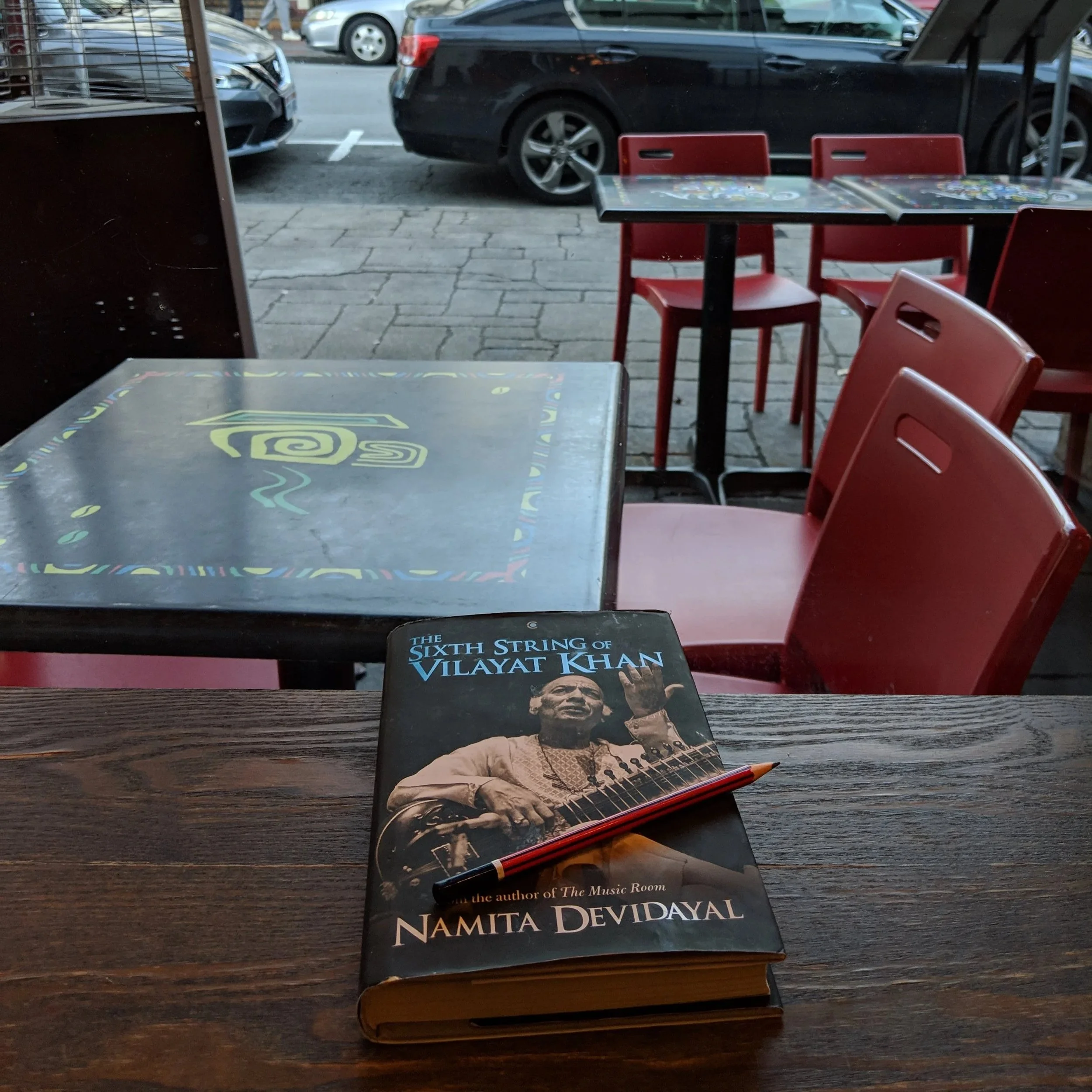
The Sixth String of Vilayat Khan - Namita Devidayal
I picked this book from my recent trip to India. Ustad Vilayat Khan a contemporary of Pt. Ravi Shankar (well known in western world) carried forward the legacy of the Sitar instrument in modern India. In that sense his contribution to Indian music is immense and valuable. It was delicious to read more about the journey of North Indian classical music pre/ post independence era. Coincidentally, I had attended a concert of one of the sitar artists - Shahid Parvez at Triveni Kala Sangam center in Delhi.
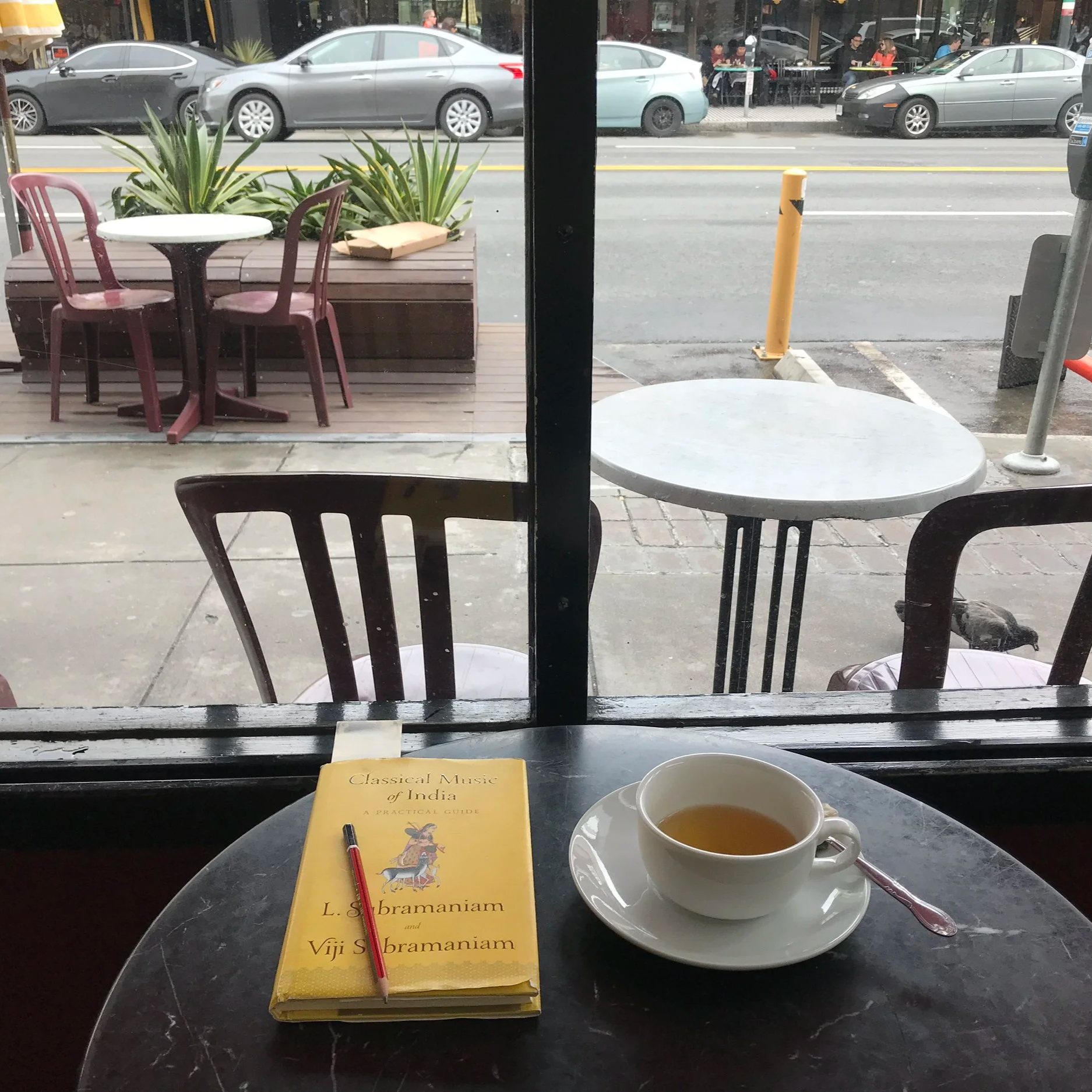
Classical Music of India - A practical guide - L. Subramanium, Viji Subramanium
The book traces the inception and evolution of classical music in India. India had one form of music that over time got bifurcated into two streams - South Indian (Carnatic) and North Indian (Hindustani) classical music. Art forms typically survive and prosper only when they get strong patronage from the rich/ influencers in the society. Carnatic music got its patronage from temples and priests and thus evolved with a more devotional feel to it. Whereas in North, post invasions from its North-western borders, music mainly got its sponsorship from Mughal kings and royal courts. As a result music grew with more worldly shades of human emotions - romance, longing, sadness and passion.

A Moveable Feast-Ernest Hemingway
Earnest Hemingway’s self-written memoir about his life and the time he spent in Paris in the first half of the twentieth century that shaped his journey as a writer. A troubled writer who lived on the edge, married four times, became alcoholic and eventually committed suicide.
Light on the Yoga Sutras of Patanjali - BKS Iyengar
Yoga is a journey. An individual’s journey that starts from zero, marches into infinity. The concept is deeply connected with spirituality and feeds to man’s (or woman’s) desire to find the ultimate meaning of his/ her life . “Patanjali Sutras” gives insights into a long theoretical/ practical path traversed in 8 phases of Yoga, famously known as “Ashtanga Yoga”. Path is typically spread over many lives (if you believe in reincarnation) and deeply correlated with your actions and thoughts. The idea is to move away from the concept of “We” (nature, universe) and “I” (self, soul) to a state of “Nirvana” where “We” and “I” converge to a point of non duality. This whole life journey then just becomes an interplay of dual and non-dual states and an individual’s quest to get out of this play of duality.
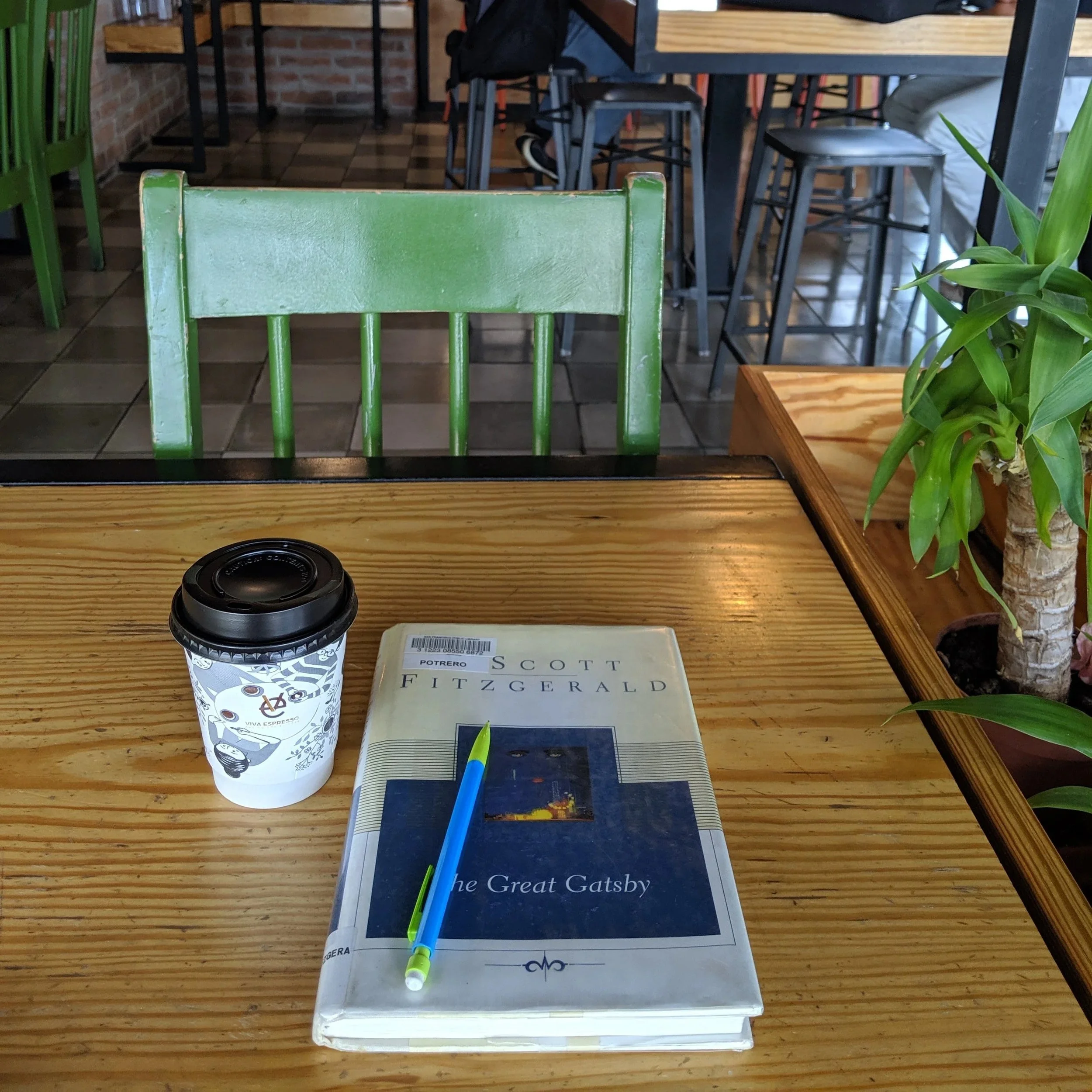
The Great Gatsby: Scott Fitzgerald
First time reading American literature. Never gravitated towards American literature as always associated American society with science, technology, marketing, social activism, human psychology - areas where it excels compared to its peers. It was refreshing to see a romantic side of American society through Scott Fitzgerald’s writing.
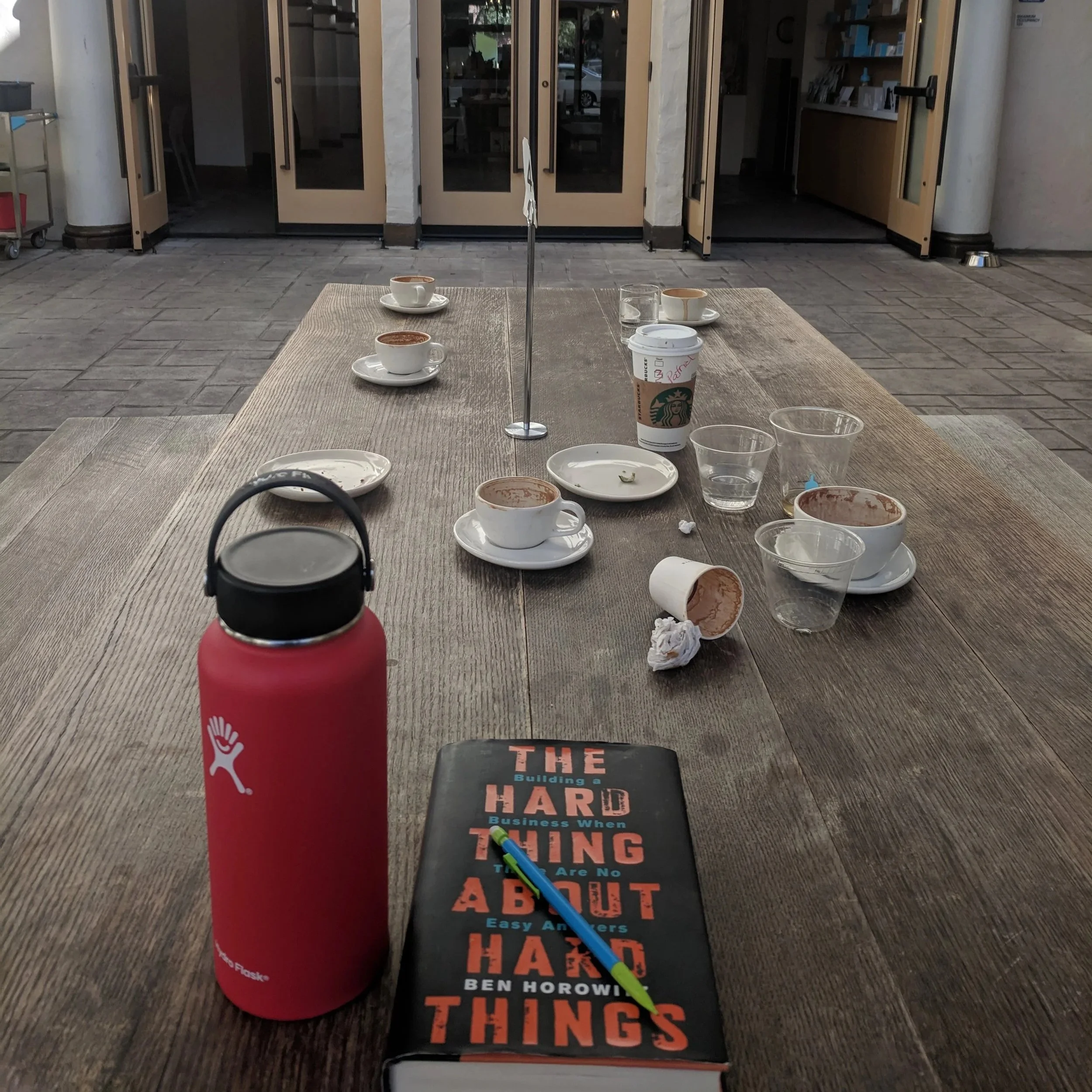
The Hard Things About Hard Things- Ben Horowitz
Honest experiential journey of an entrepreneur who is well respected in the valley and runs a famous VC firm. Thankful to our new VP who distributed this book in our team as a part of a new brown bag series initiated by her. The book covers comprehensive aspects of entrepreneurship. I won’t recreate what’s written in the book as for that you can always read the book. Recreating some of the thoughts that went through my mind while reading the book.
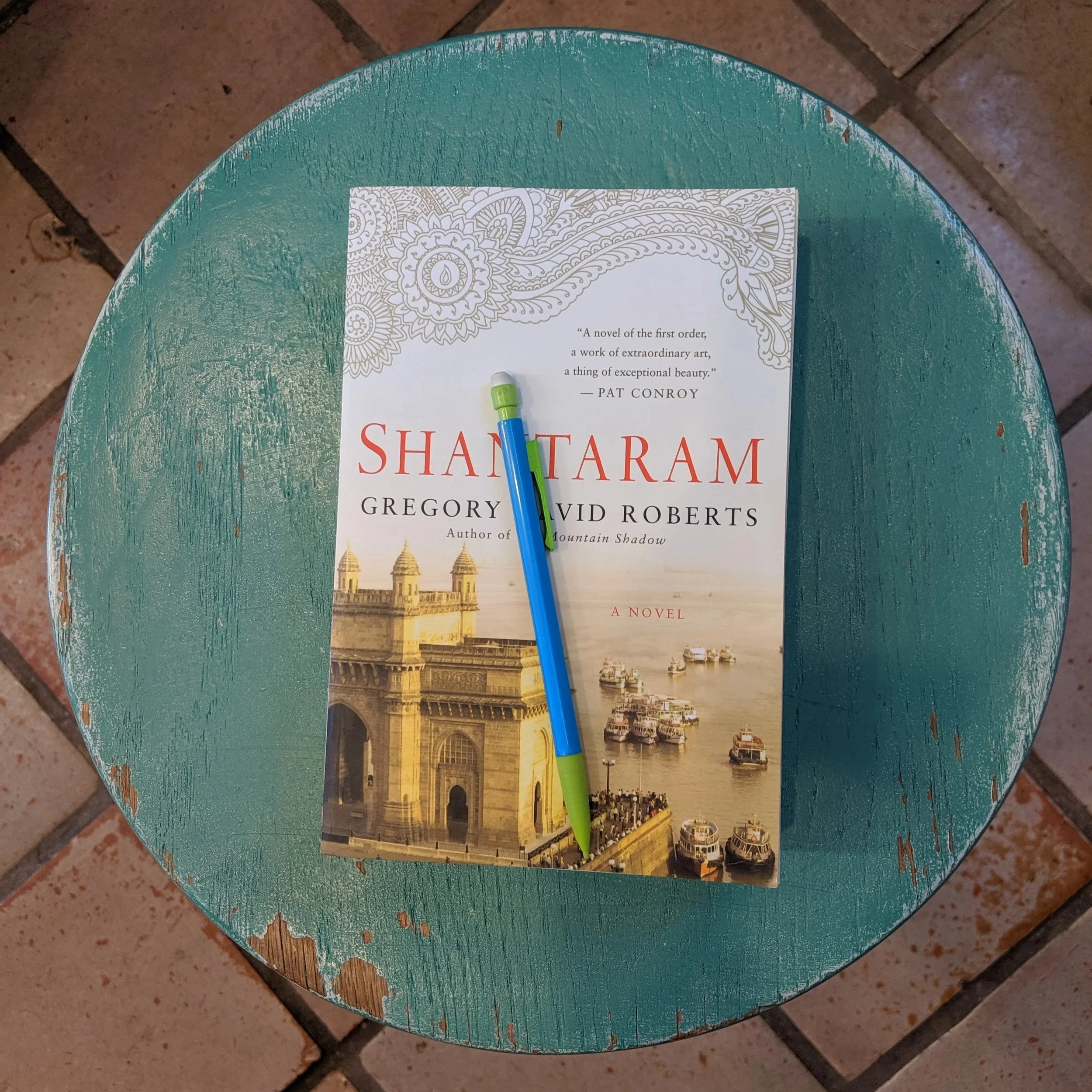
Shantaram: Gregory David Roberts
The book is a long autobiographical account of Gregory David Roberts, an Australian convict before he escapes prison in 1980 and ends up in Bombay on a forged passport. The book is a tribute to India’s biggest metropolitan city Bombay through the eyes of a white foreigner who tries to rebuild his next phase of life with honesty and redemption. It reads like an autobiography as it’s inspired from real life events but builds a fictional story around it and glamorizes it.
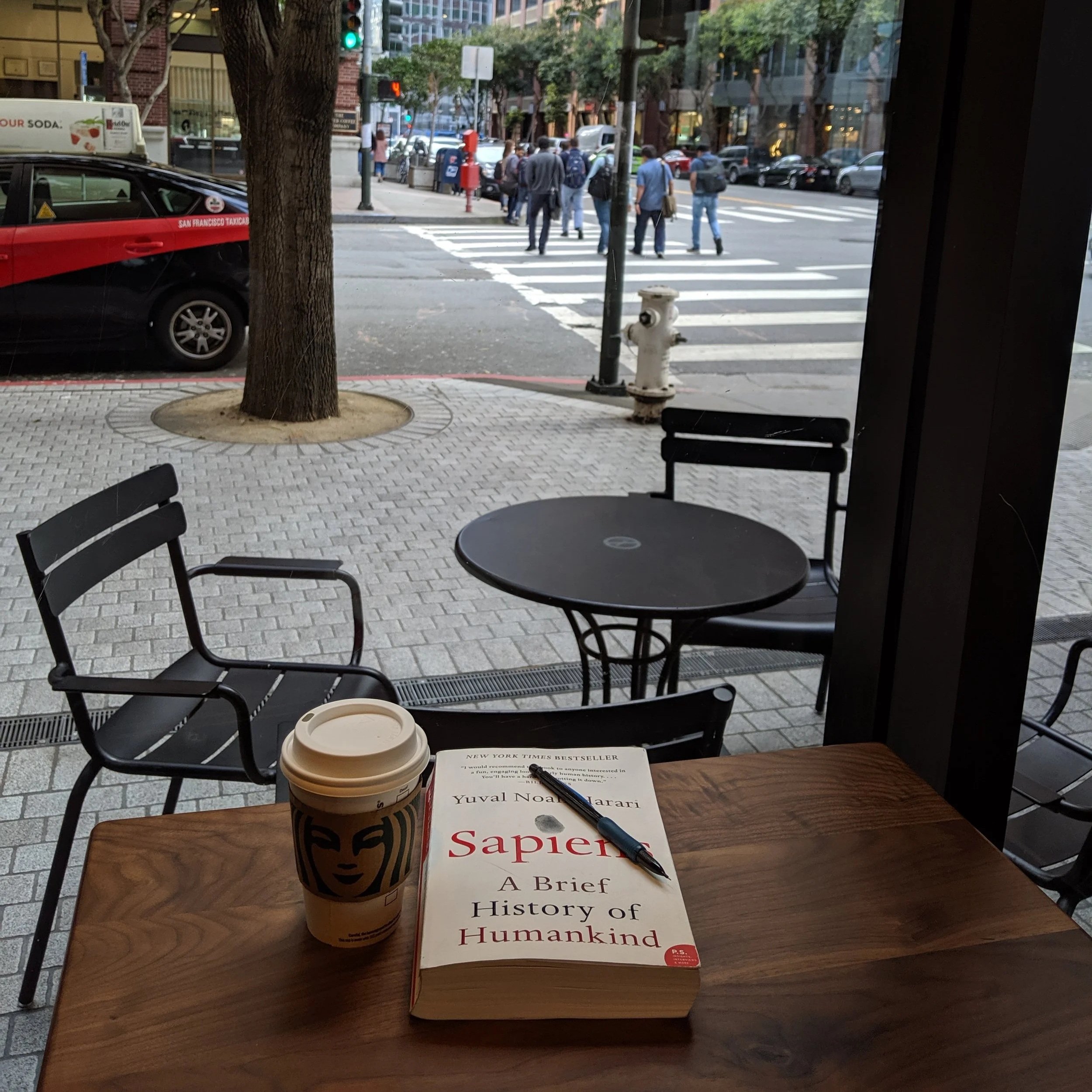
Sapiens: Yuval Noah Harari
4.5 Billions years of earth formation, 2 billion years of any kind of life formation on this planet and just 70,000 years of Homo Sapiens (humans species) presence. Worth taking a pause and realizing how infinite our history has been and how drastically things have changed for this planet in the last few thousand years. The author of this book, Yuval Harari, a Jewish gay guy and a Vipassana meditation practitioner has written three books so far (on past, present and the future). This version traces the evolution of our species by analyzing key turning points in our history (development of cognitive abilities, evolution of storytelling, adoption of farming, advancement through modern scientific age et al).
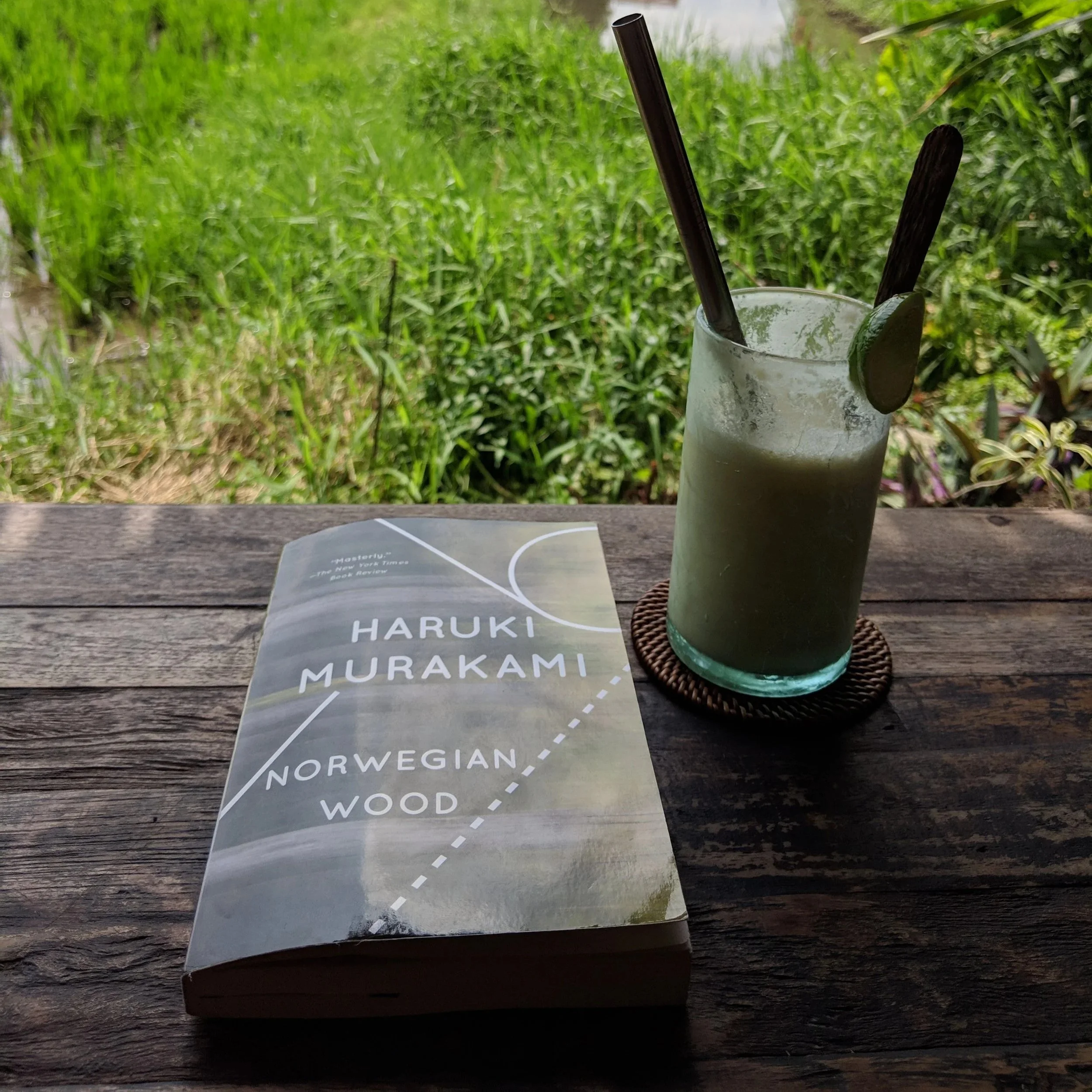
Norwegian Wood: Haruki Murakami
“Norwegian Wood” explores the loneliness of a modern Japanese society. The story is about a young college going kid, Watanabe and his relationships with two very different women - Naoko (beautiful but troubled) and Midori (less elegant but lively, outgoing). In spite of such a sad storyline, the story is about optimism, moving on from your past grief and carrying on with the business of life.
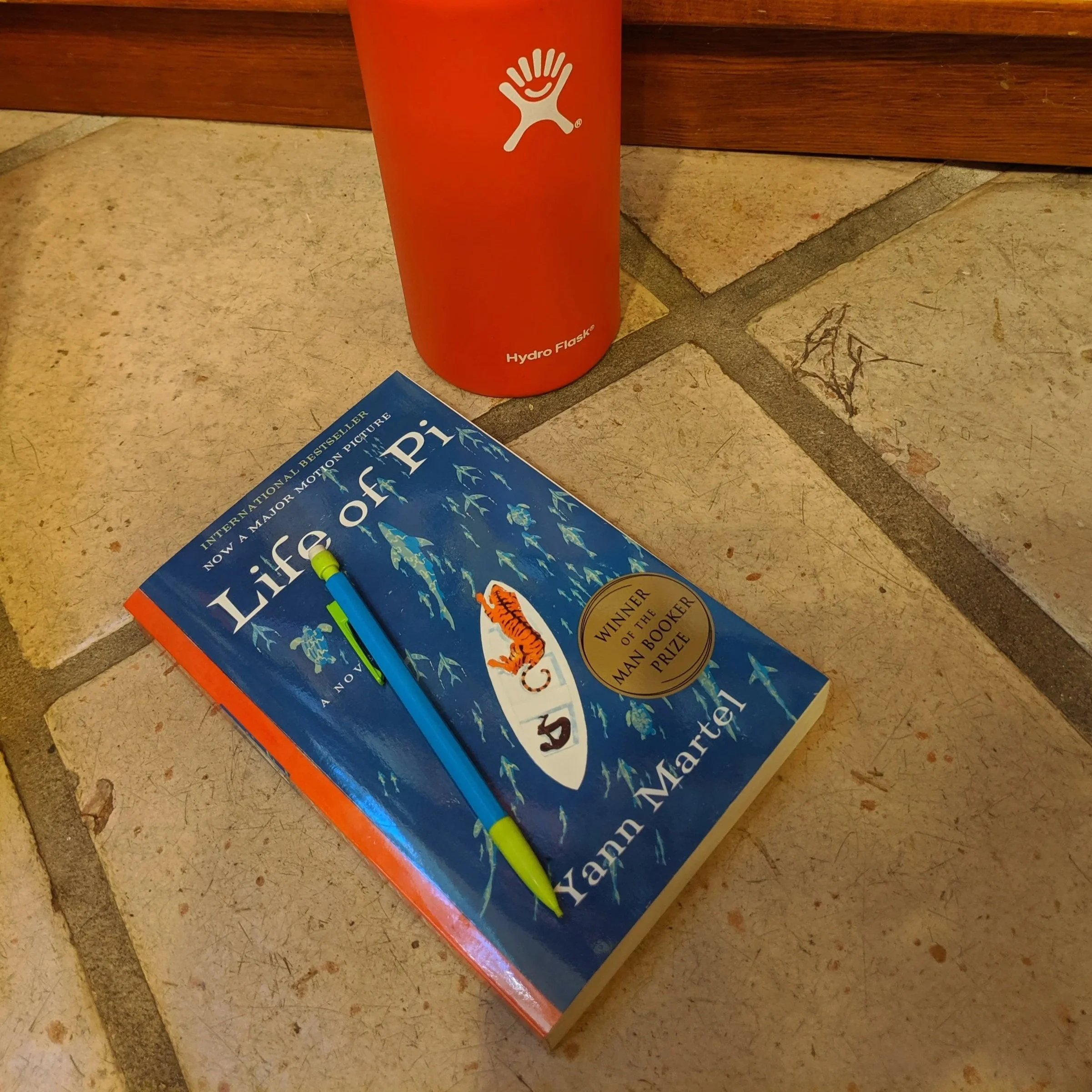
Life of Pie: Yann Martel
The story primarily revolves around the dynamics between five characters - a human boy, Piscine Patel or Pi and his four animals - Hyena, Zebra, Orangutan and a Tiger named Richard Parker. Pi’s father owned a zoo in India before he decided to emigrate to North America along with his animals and his son on a Japanese ship post developments of political instability in the country.
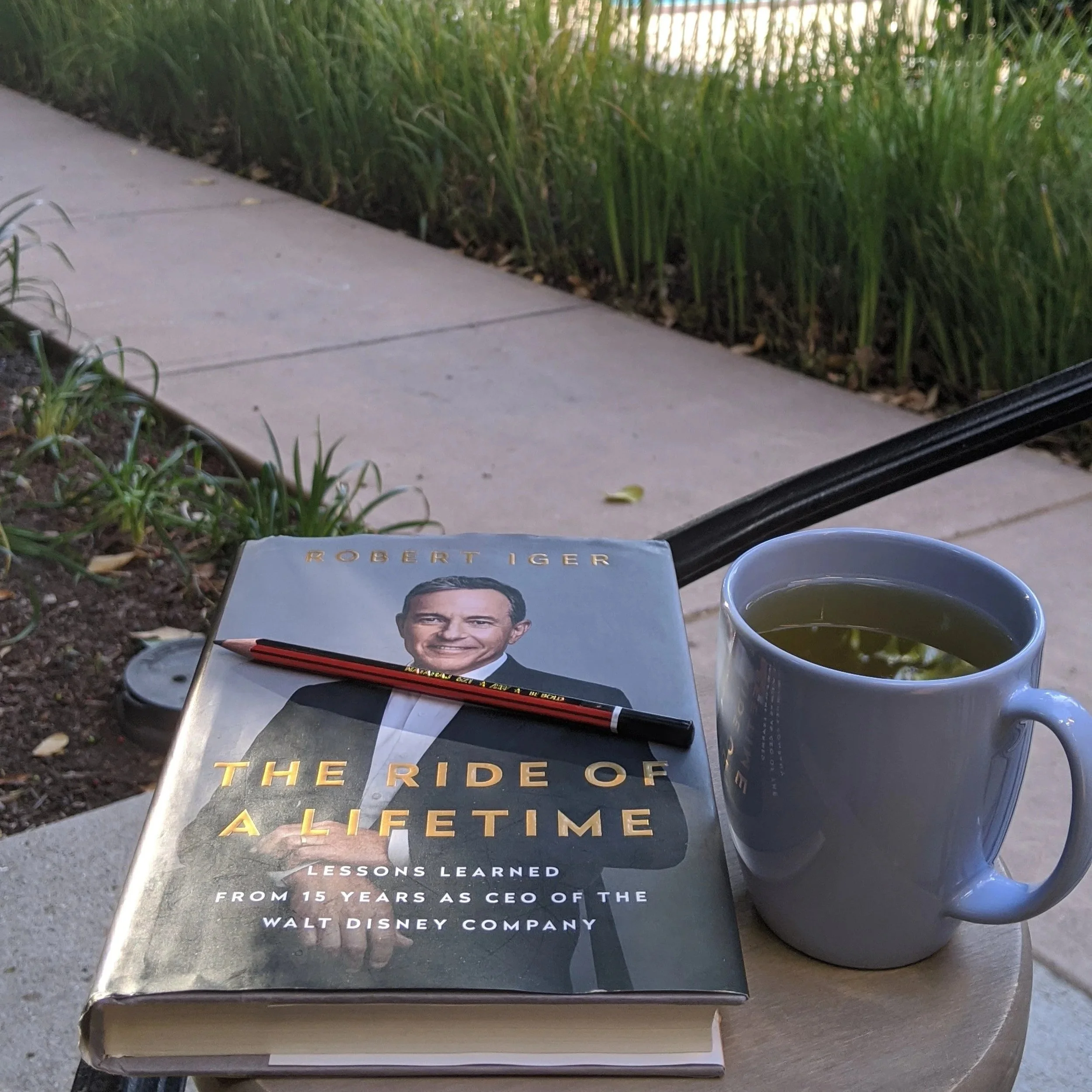
The Ride of a Lifetime - Robert Igor
One of the more powerful books on leadership I have read in recent times. It’s a fascinating read of an experiential business journey of Walt Disney Company’s 11th CEO, Bob Iger who took the reins from Michael Eisner in 2005 and recently retired a few months back as its long serving successful CEO. Headquartered in California, Walt Disney Company was founded in October 1923. The company must have done something right to survive for 100 years. What started as a kids animation studio, in the last 100 years has grown into a powerhouse in the world of Media and entertainment.
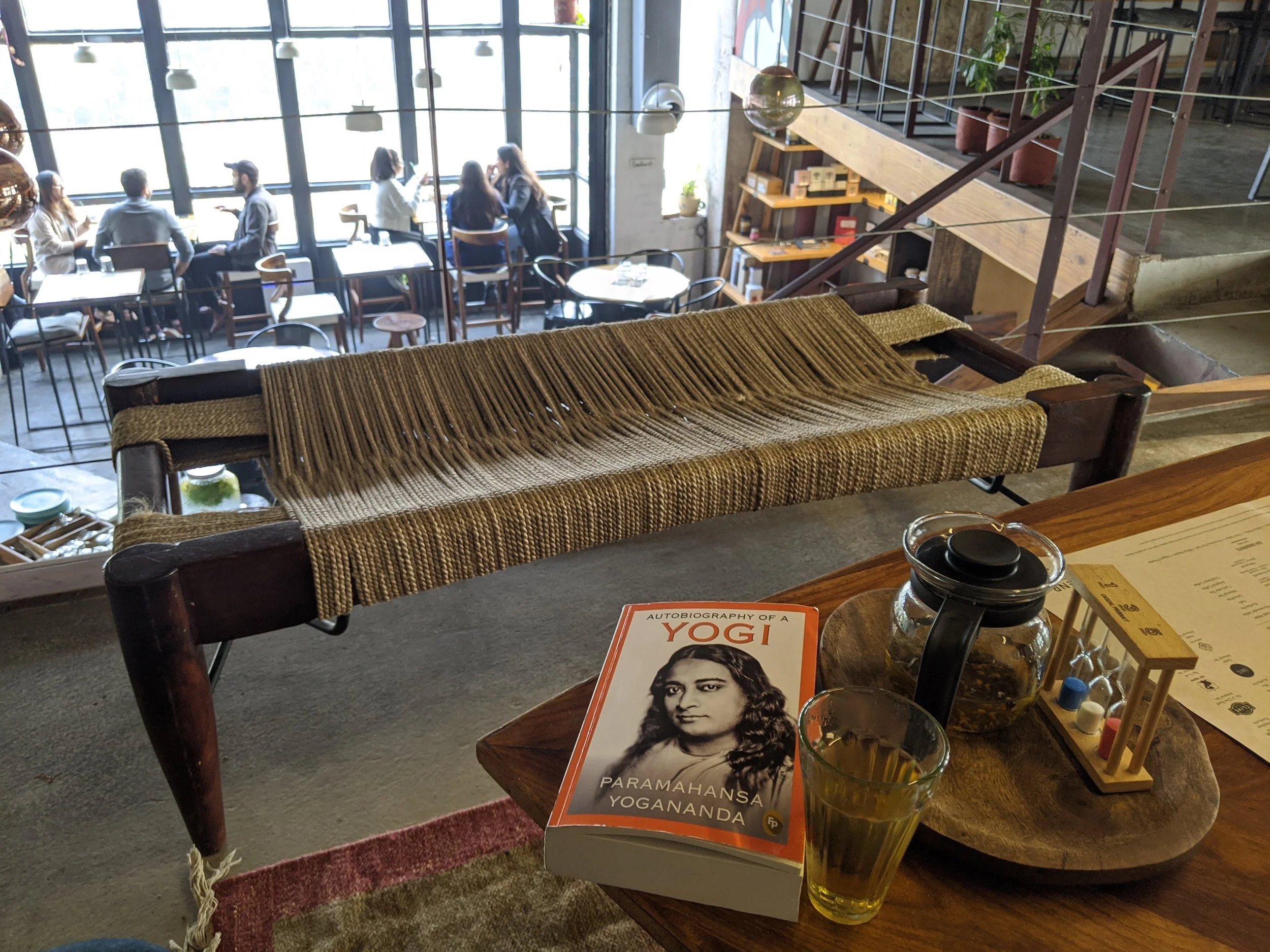
Autobiography of a Yogi-Paramhansa Yogananda
I struggled and stopped reading this book after a few pages a few years back when I picked it. It seemed too dramatic. This book has been a personal favorite of Steve Jobs and many of my close friends (for records, Steve Jobs was not my friend). The writer (apparently a well known guru in India from the early 1900’s) writes passionately about his journey as a spiritual seeker, teacher and then propagator of his faith “Ananda” to the masses. Magical godly manifestations in the writer’s life didn’t make any sense to me. I have always been dismissive of people who believed in physical space altering realities. I dismissed it as yet another book on pseudo spirituality. Fast forward a few years, it could be the effect of growing old or opening up to the idea of diverse experiential journeys, I picked it up again this year and surprisingly enjoyed reading it this time.
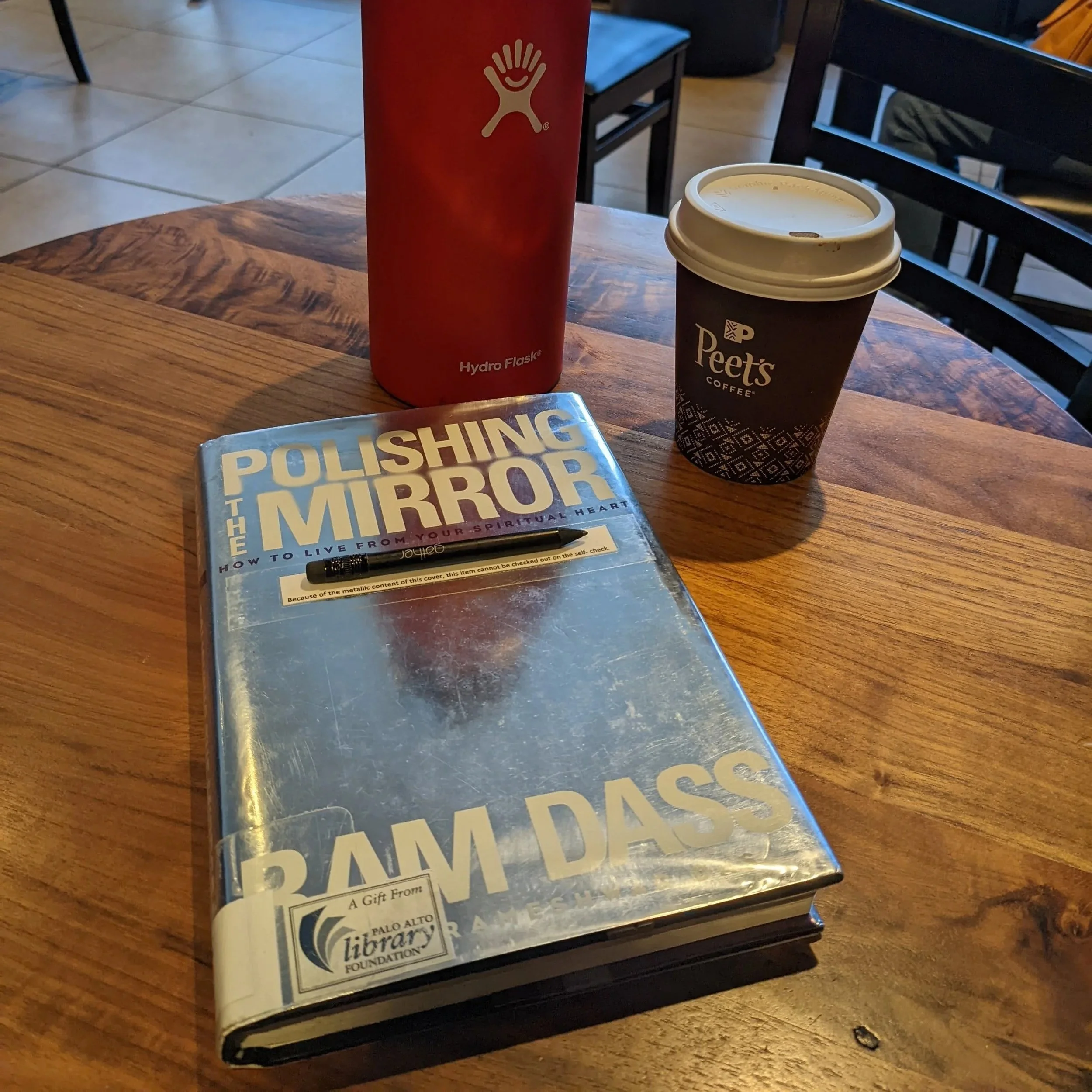
Polishing the Mirror: How to live from your spiritual heart - Rameshwar Das (Ram Dass)
My first read from Rameshwar Dass or Ram Dass or Richard Alpert who was a well known American spiritual teacher and born out of the hippie movement of the 1960s. He recently passed away in 2019 leaving a big legacy behind him in the western spiritual world. Ram Dass was a disciple of Neem Karoli Baba also known as Maharaj ji to his followers. Ironically, Neem Karoli Baba became more famous outside India because of his high profile followers like Krishna Das, Jai Uttal, Larry Brilliant, Steve Jobs, Baba Hari Das (Mount Madonna Hanuman Center, Gilroy) and many others.
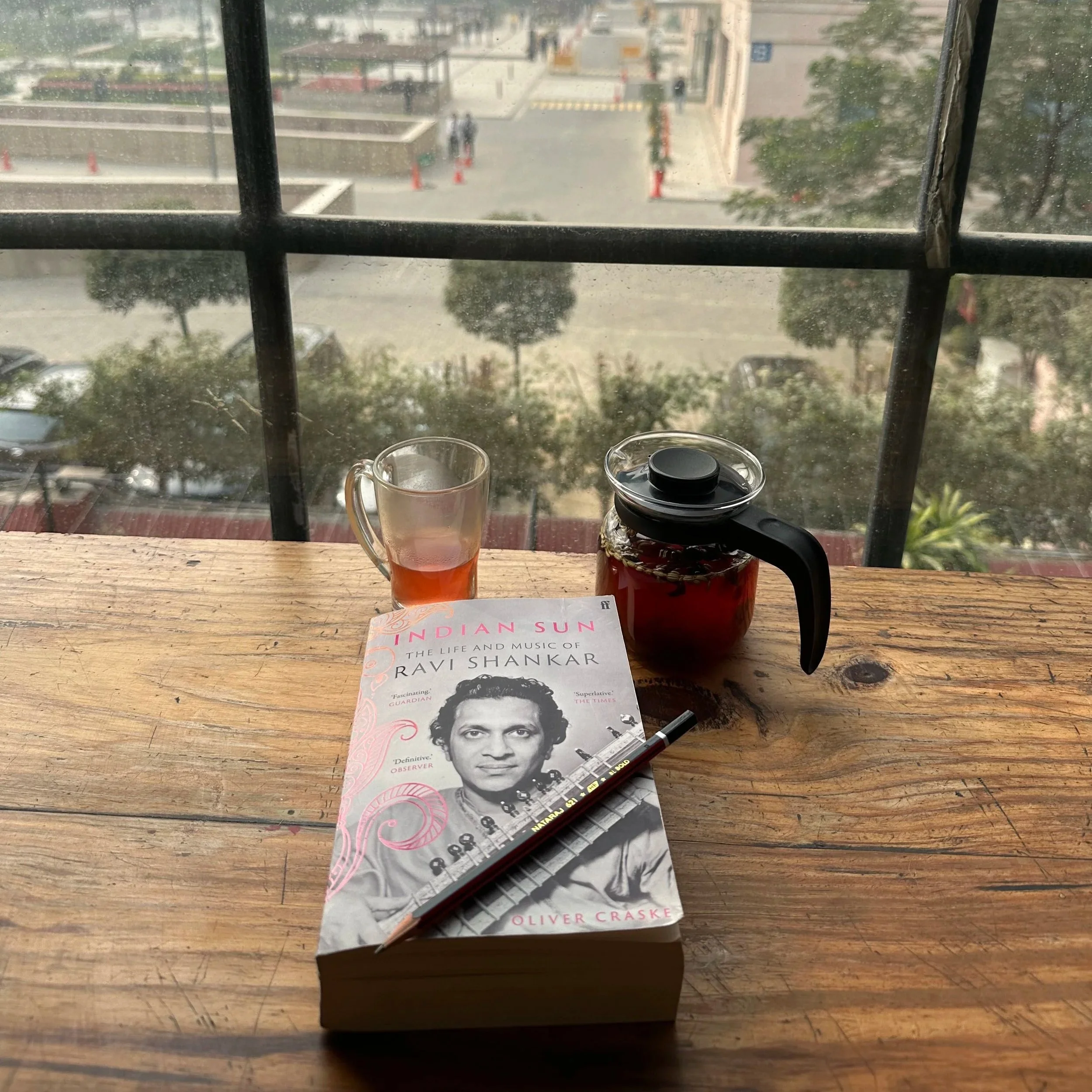
Indian Sun: The Life and Music of Ravi Shankar: Oliver Craske
Pandit Ravi Shankar ji was not only a great musician but also an eclectic personality. What he accomplished in one lifetime, others may take many lifetimes to come even close to it. Oliver Craske writes an engrossing biographical account of what shaped his life and made him a tall order musician of our century. This book is a heartfelt tribute to the varied shades of his life one may otherwise never know or see.
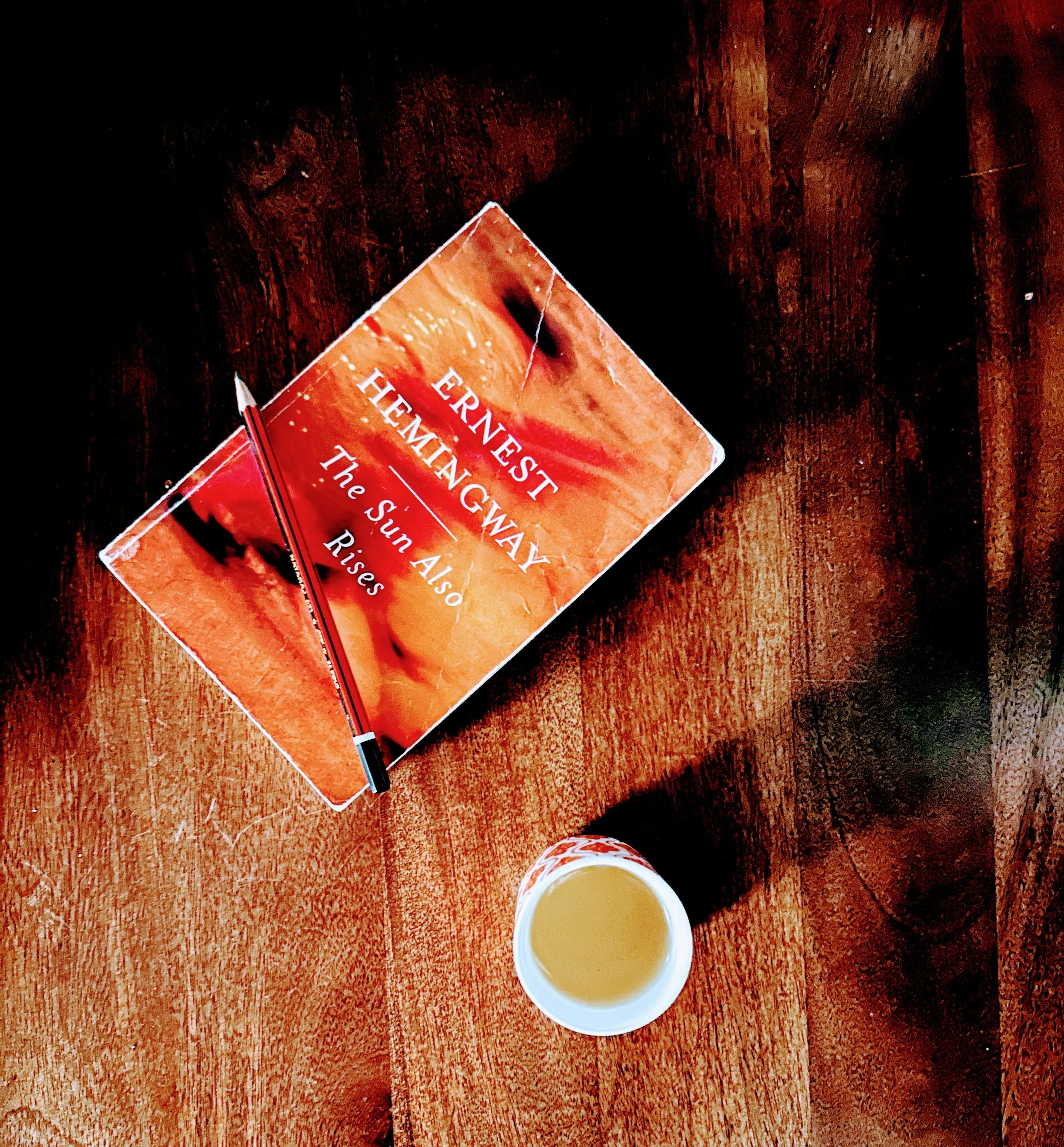
The Sun Also Rises: Ernest Hemingway
My second read from Ernest Hemingway. Romanticizes Paris and Spain of the early twentieth century. The writing in the book mirrors very closely to the aspirations of American life and culture. While written beautifully, the book feels like an indulgent account of a rich writer living aimlessly without a bigger sense of purpose in life.

Design as Art: Bruno Munari
In the 'rut' of modern life, we often choose functionality over beauty. However, appreciating the finer aspects of life requires training, much like training one's ears for classical music. Initially, our senses gravitate toward the mundane and the obvious.
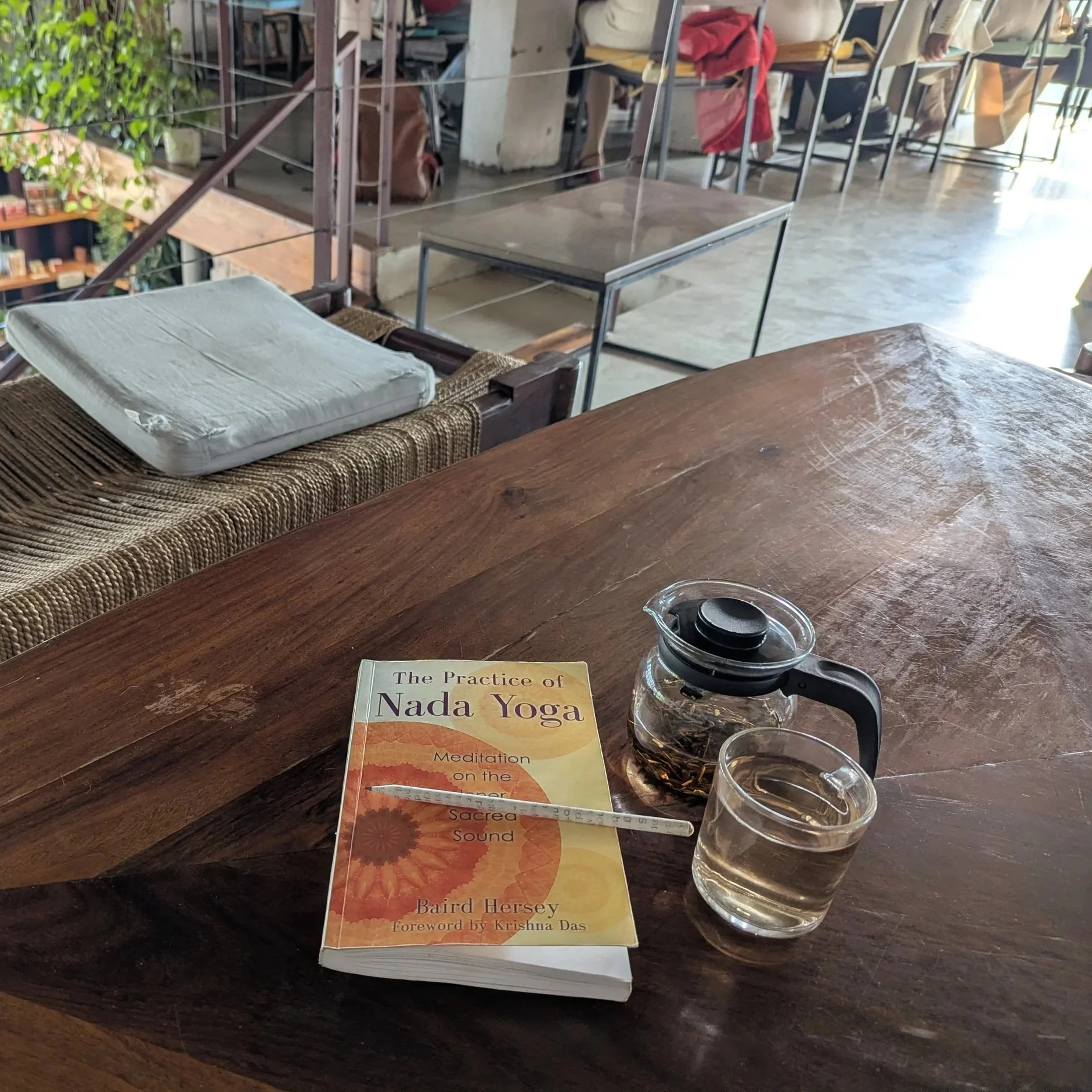
The practice of Nada Yoga: Baird Hersey
Baird Hersey traveled from New York City to India to study yoga, and I was fortunate to find his book during a recent visit to Rishikesh. A long-time practitioner of Mysore-style Ashtanga Yoga under the lineage of Shri Pattabhi Jois, Hersey writes from a place of deep personal experience.