Classical Music of India - A practical guide - L. Subramanium, Viji Subramanium
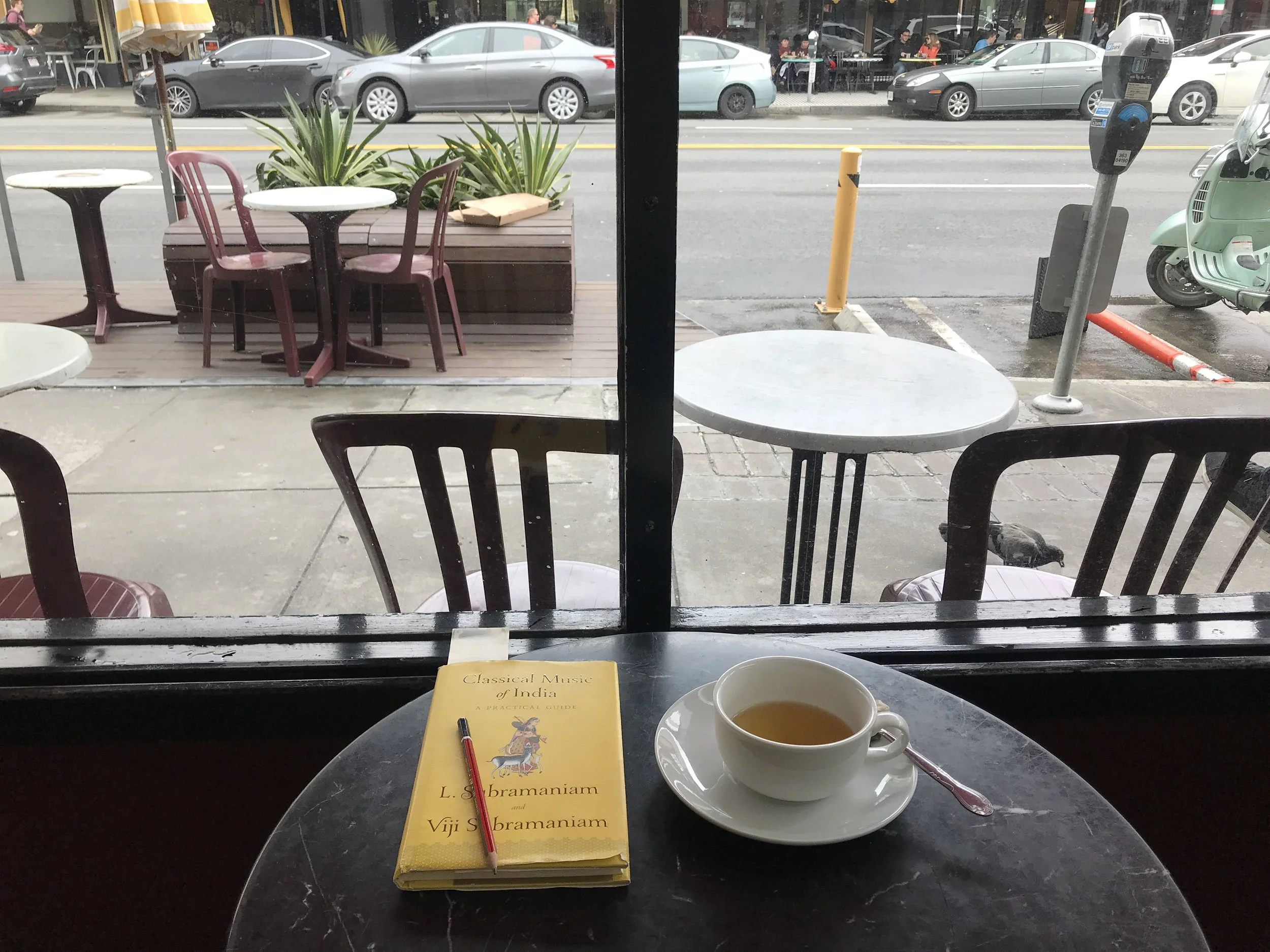
The book traces the inception and evolution of classical music in India. India had one form of music that over time got bifurcated into two streams - South Indian (Carnatic) and North Indian (Hindustani) classical music. Art forms typically survive and prosper only when they get strong patronage from the rich/ influencers in the society. Carnatic music got its patronage from temples and priests and thus evolved with a more devotional feel to it. Whereas in North, post invasions from its North-western borders, music mainly got its sponsorship from Mughal kings and royal courts. As a result music grew with more worldly shades of human emotions - romance, longing, sadness and passion.
Indian culture is incredibly complex and diverse, evident in all the art forms practiced here. Traditionally an open source culture where inhabitants/ invaders came from it’s North-Western geography, brought their own art forms that got mixed with what was native to this land. This evolution and change happened over so many centuries that there is always a constant debate in the country on what is native vs external to the core of this culture. And the answer keeps changing with sliding timelines. (Not entirely different from the debate happening in current times all around the world. Afterall we are all immigrants on this planet).
What’s more important? To keep the purity of an art form and limit its adoption to a niche audience or to dilute it to suit the needs of the changing times and push for a broader mass adoption. Many true practitioners of art and culture face this inherent dilemma lifelong. Artists who don’t compromise on purity and authenticity often end up living a life of complete anonymity and poverty. The art also sees a slow death as it gets adopted by fewer audiences with each passing generation. Artists who tend to dilute their art to suit the times often gather fame and glory and live a life of comfort and luxury. But then they inadvertently push it in a direction where the core essence and the depth of that art gets slowly ruined and evolves into something different. Two distinct art propagation philosophies with no right wrong.
