Shantaram: Gregory David Roberts
...“Sometimes we love with nothing more than hope. Sometimes we cry with everything except tears. In the end, that’s all there is: love and it’s duty, sorry and it’s truth. In the end, that’s all we have - to hold on tight until the dawn.”...
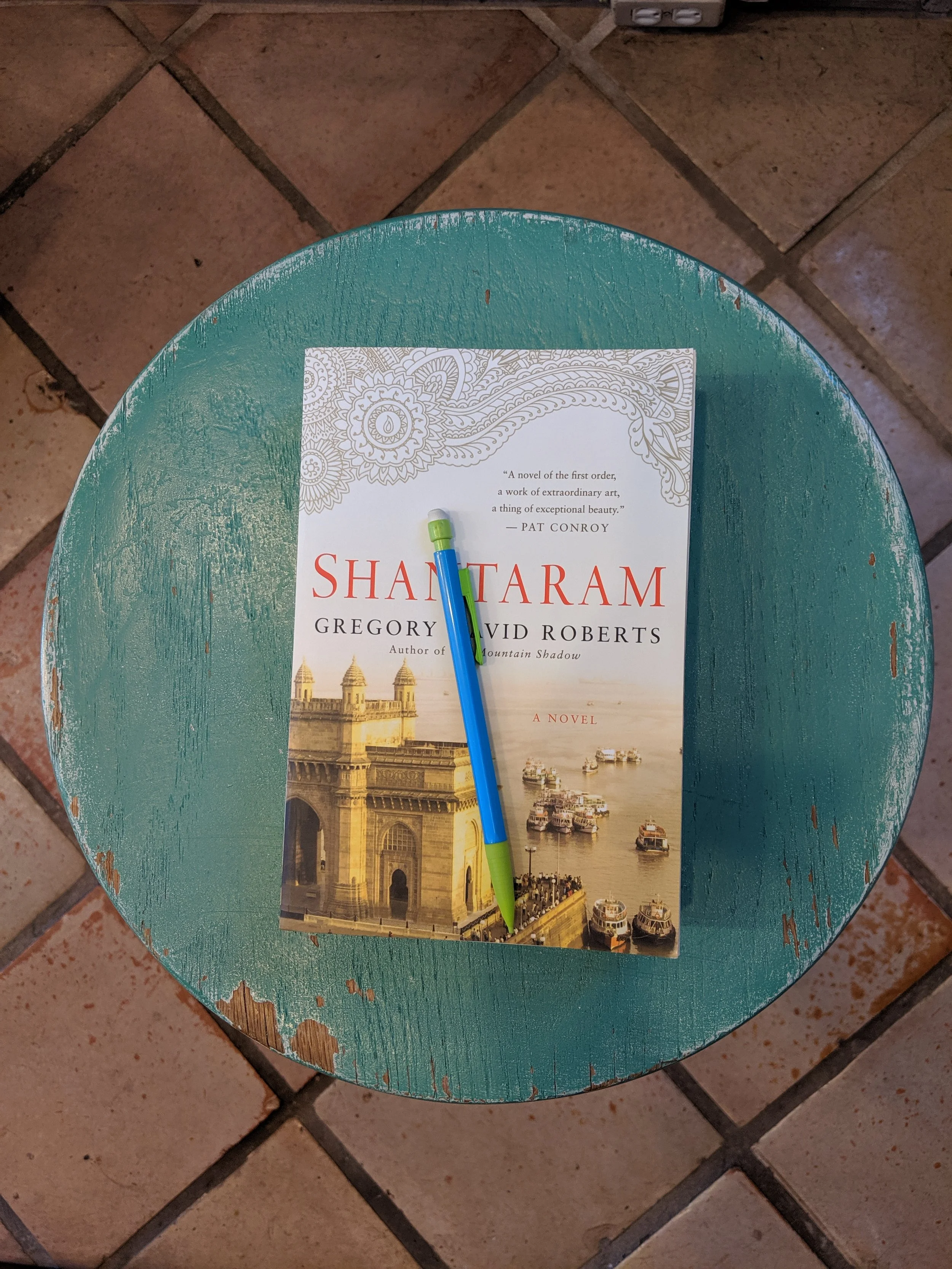
The book is a long autobiographical account of Gregory David Roberts, an Australian convict before he escapes prison in 1980 and ends up in Bombay on a forged passport. The book is a tribute to India’s biggest metropolitan city Bombay through the eyes of a white foreigner who tries to rebuild his next phase of life with honesty and redemption. It reads like an autobiography as it’s inspired from real life events but builds a fictional story around it and glamorizes it. It’s the personal story of the writer who lives life on the edge, commits crimes, witnesses life and death from close quarters, finds love and friendships in India and introspects along the way. As a special tribute to the Bollywood movie industry, he brings out the romance and glamor that ties the rich and poor of this great city together through his own creative writing. While a white guy exploring Indian culture may be an overused theme in recent times but the book is written with such authenticity that it makes you fall in love with your own country once again. It celebrates the undying human spirit of dealing with poverty and hardships of daily life. It pushes you to build an optimistic view on life amidst all the negativity that prevails around it and forces you to be grateful for what you have in life.
Bombay is a city with twenty plus million people and is riddled with contradictions. It is a city that has the biggest slum in the world but also the deepest pocket in the country. Extreme rich and extreme poor coexisting together as if codependent on each other for their emotional and financial needs. The books expose us to look at India from a different angle. Having grown up in Delhi made me appreciate the diversity Bombay brings. When I visited Bombay the first time, I could see shades of the city from this book and it helped me appreciate the city better. How do we view a land if we are alien to it? Will we have more appreciation for it because we don’t belong here? Will we be more objective in your assessment? Do humans tend to undervalue things that are part of them? Why do we appreciate and find glamor in poverty especially when we are living it? Is it too selfish to explore someone else’s hardships for our own emotional entertainment or does it have the ability to serve a more powerful cause - which is to develop more empathy and kindness? These were all the themes which went in my mind when I read this book and what better way to experience it with a cup of coffee in hand.
