My Travel to Pondicherry - City of French Connection with India
India has slowly been moving away from its colonial past and reintroducing names that are aligned with its regional cultures. Primarily, there are three European influences that have stayed in India after its freedom in 1947. Pondicherry, with a long coastline and French connection in the South East, Goa with beautiful beaches and a distinct Portuguese heritage in the South West, and the rest of mainland India with a British legacy.
I happened to visit the union territory of Pondicherry for the first time in 2020. Pondicherry as it was famously known is now the new Puducherry. This is the only Indian town which has a French connection and in that sense is very unique and distinct. The region was a French colony till 1954. Post independence it was taken back and united with broader India.
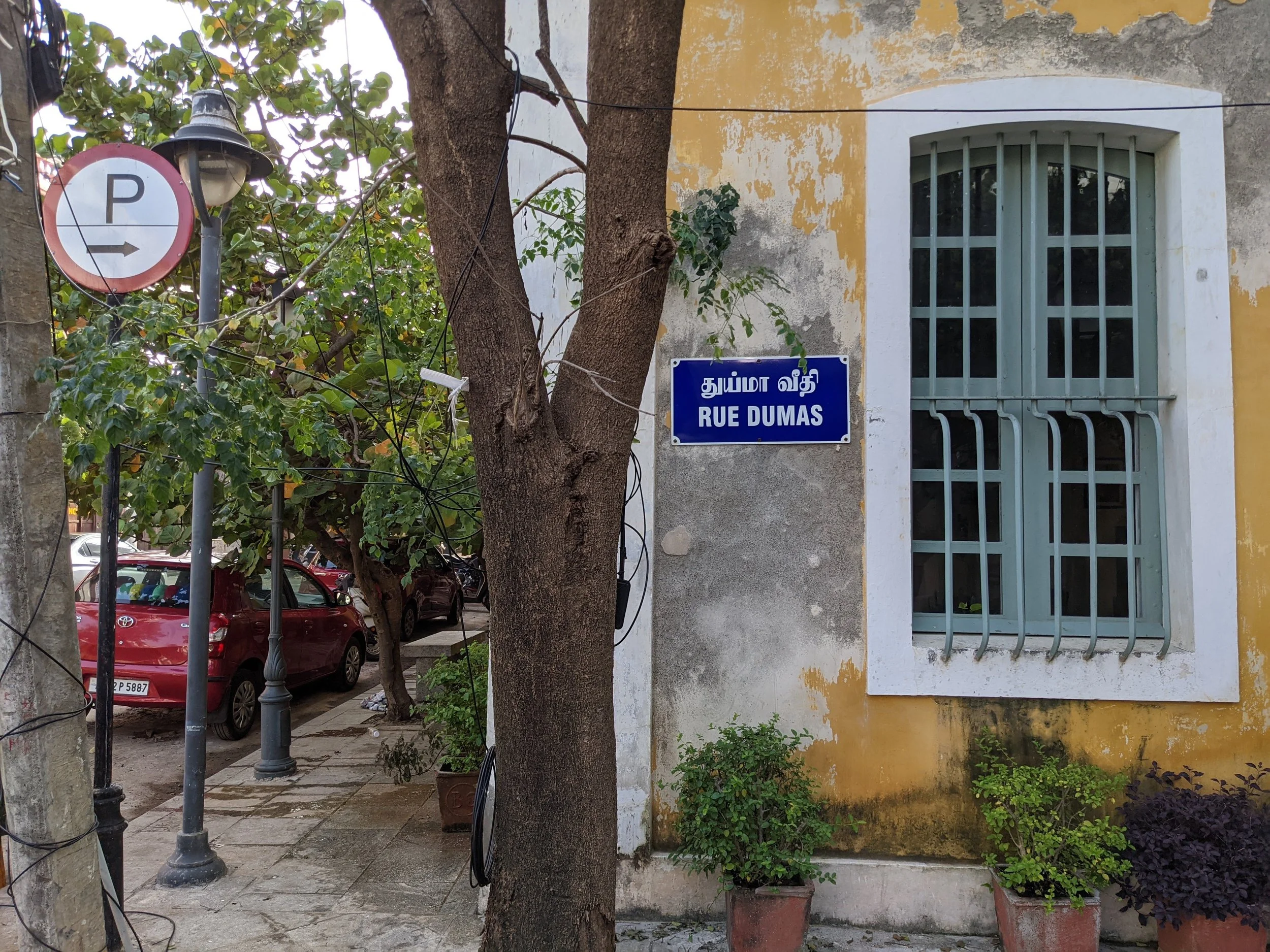
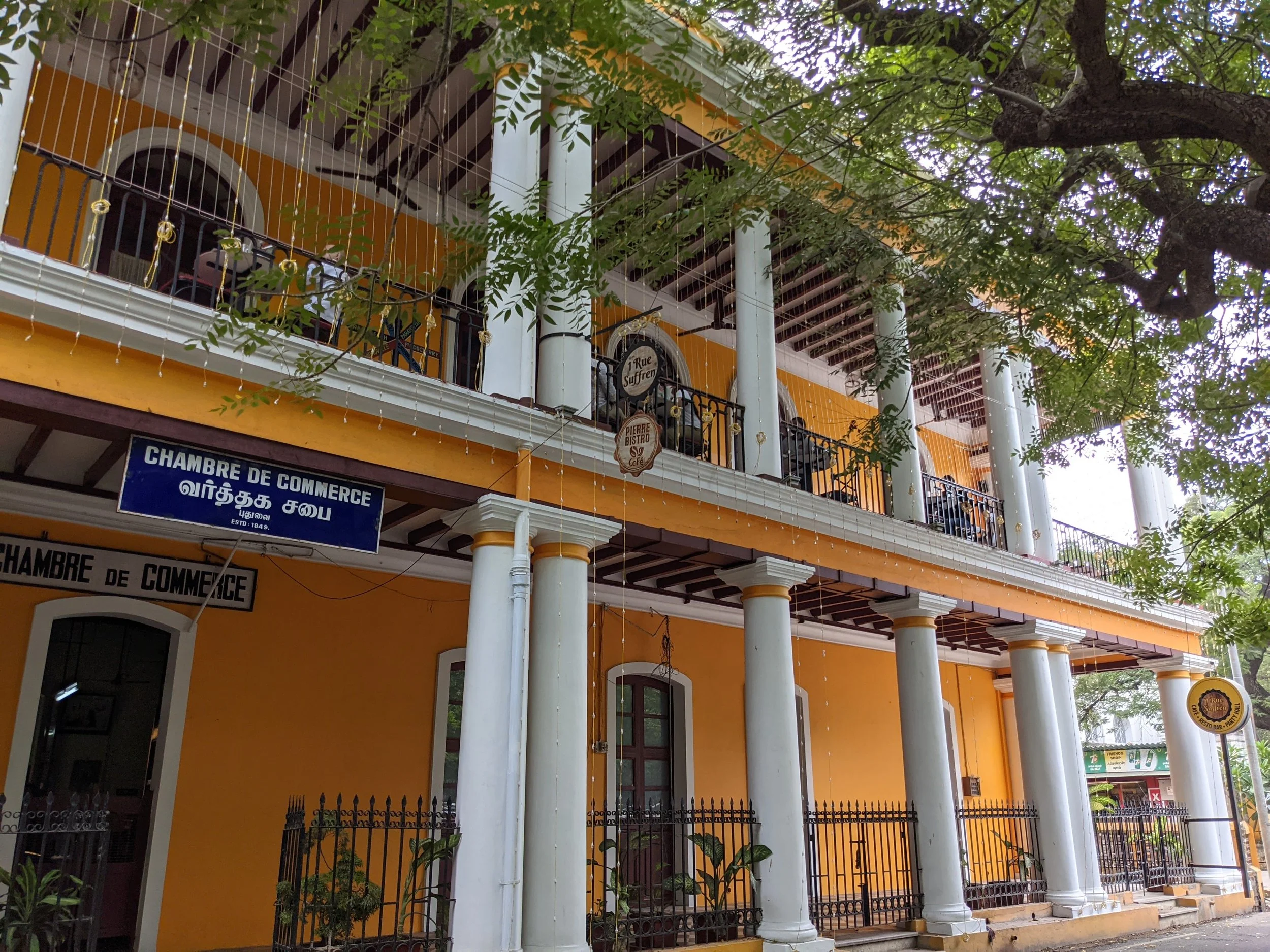
The city is primarily divided into two parts - known to the locals as the French and the Indian Quarter, separated by a small canal. Sadly overall cleanliness and orderliness varies on both sides. The French quarter is more uniform, clean and organized and the Indian side more organically grown, chaotic and unstructured. In the French quarter most of the buildings are painted in bright yellow with white borders giving a very distinct charm to the whole town. The street names still start with “Rue de” which is cute and disorienting at the same time as that’s something you typically associate with streets in France. The presence of churches adds to the anglo indian touch which is charming and exotic in an Indian setting. The architecture is beautiful and unique as it's a fusion of many cultures.
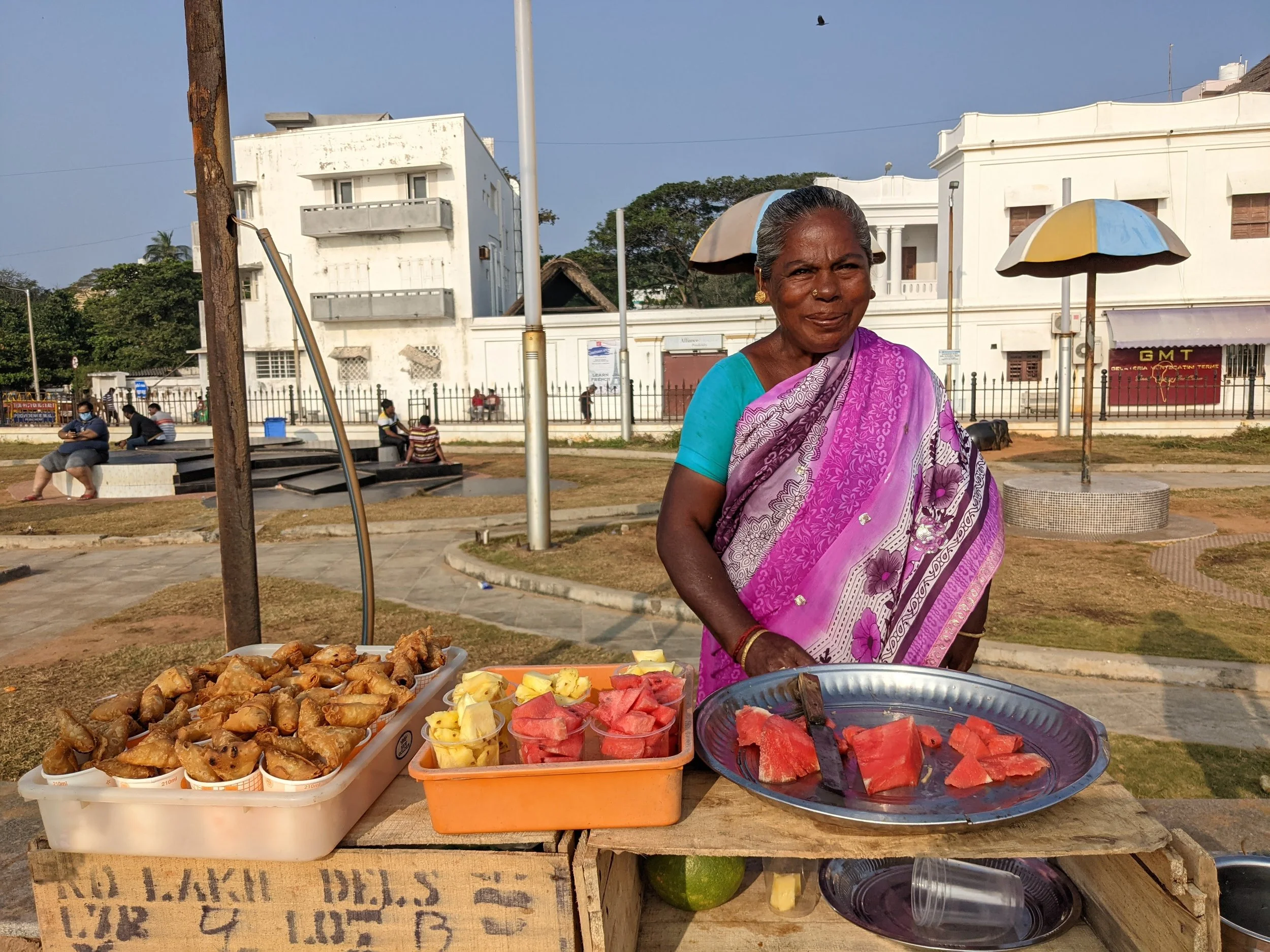
The pace of the town is slow. The official language is still French. The whole city is big on small cafes and restaurants and the vibe is eclectic and contemporary. The suburbs provide apt settings for offbeat music festivals, hip yoga classes, spiritual chants. Tourism is growing which is both a boon and a bane for the city. It is bringing more money, ideas, structure but also slowly taking away the simplicity, romance and authenticity of the place. Overall art and handicrafts of Pondicherry seemed quite evolved. Most of the stores were high on design and aesthetics. Clay terracotta is big and the place is a heaven for pottery lovers who want to learn and take few classes.
Puducherry is also famously known for Auroville center which attracts high footfall from the followers of its founder Shri Aurobindo, a communist revolutionary spiritual leader who came and settled here in 1920s. This center and the school of thought behind its creation attracted my attention the most out of all the places I saw in Puducherry. Mirra Alfassa, known as “Mother” to locals, a french bohemian lady, came in touch with Aurobindo and helped him set up this center. The idea was to create a city that was a microcosm of the world with a representation of people from 100+ countries. Imagine the eclectic energy of a place when you have nomads and hippies of so many countries with their cultural background living harmoniously under one umbrella guided by one chosen philosophy that is embedded in metaphysical concepts. It does take a vision and commitment to create something like this. An idealistic utopian concept may be good on paper but hard to sustain in the long term. When the founders died, the ashram was passed on to the trust, the overall idea eventually got diluted and with mismanagement from the trust, the center was taken by the government of India and brought under its supervision.
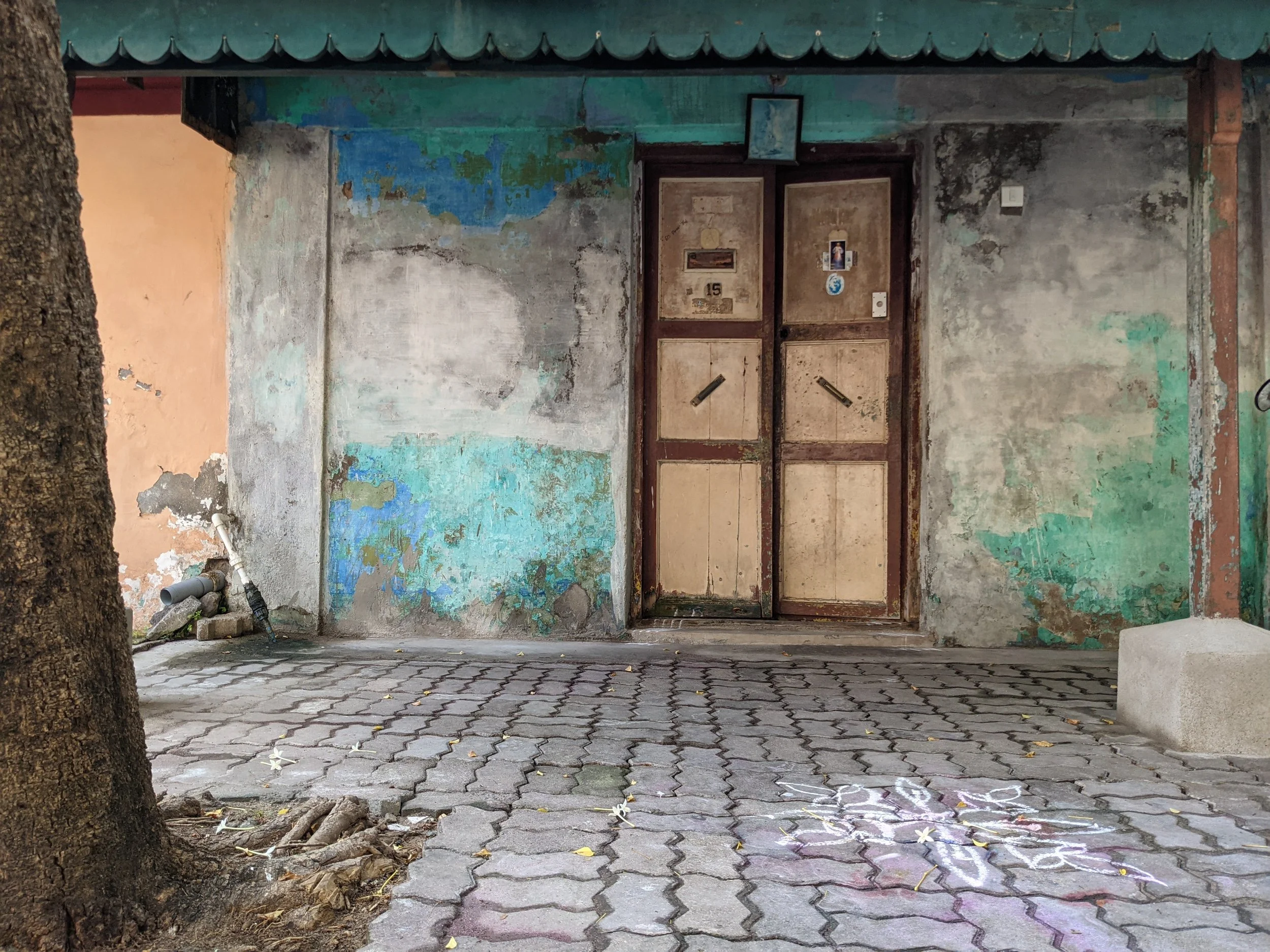
Overall, the city offers ample opportunities for young new age people who want to explore themselves, temporarily stay in isolation cut off from their traditional social commitments. With its tall green mangrove trees, all year pleasant weather, oceanfront boardwalks, small city vibes, surrounded by a lot of nature and a mix of diverse people makes a trip to this beautiful charming town a memorable one.