Top 10 Things to do in Alaska: A Recent Family Travel Guide to the Last Frontier
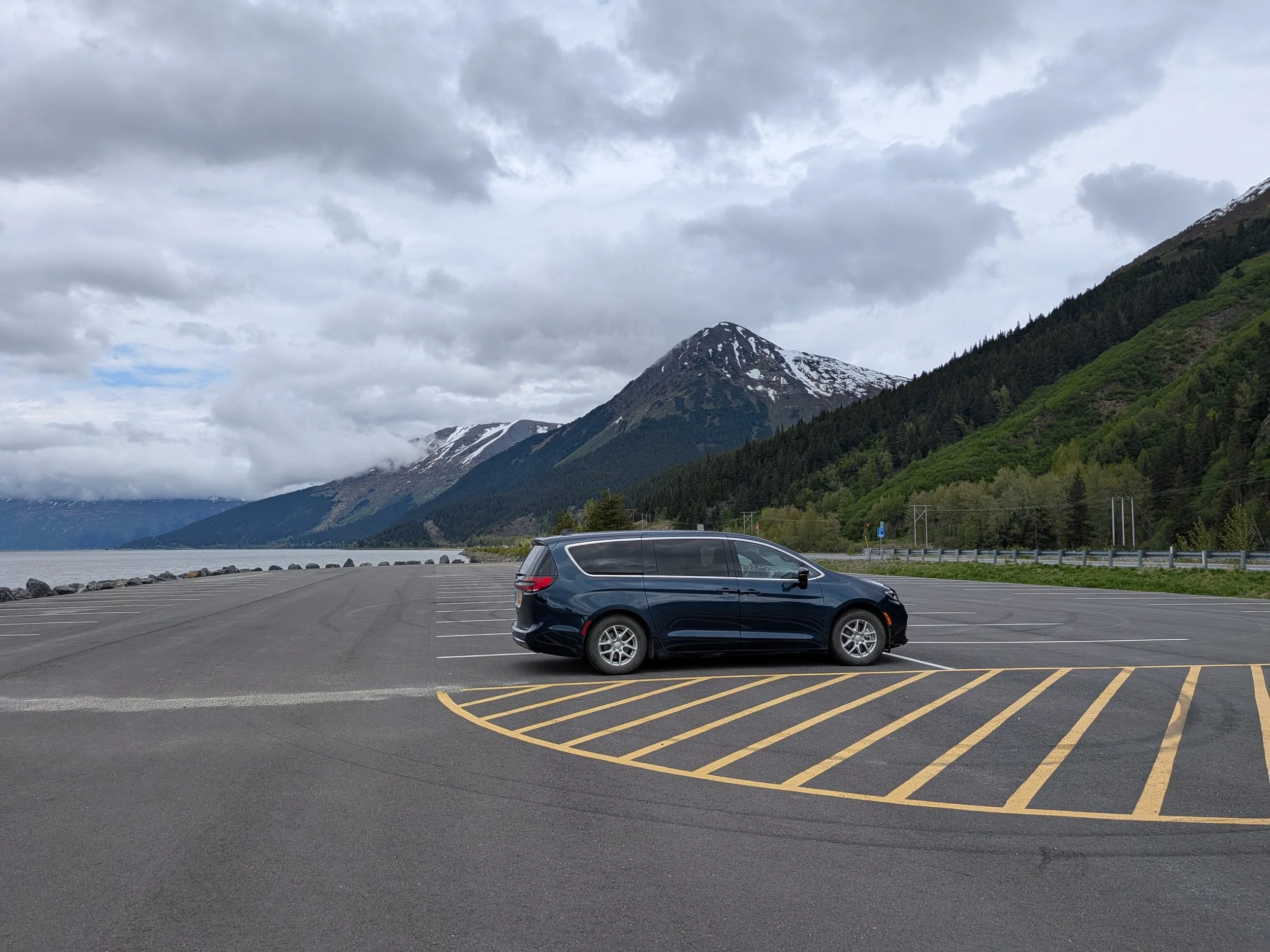
Enroute Highway 1@ Chugach Forests and Mountain Range
Because of social media, it seems that each year there is a theme; a collective decision that a certain place is interesting and an unspoken agreement that says, "Let’s go there." A couple of years back it was Japan, and this year, it was Alaska for us. Whoever I talked to either had already been there or wanted to go this year. It seems visiting Alaska has become a grand addition to the checklist—a destination that everyone collectively wants to hit.
I first watched a documentary-style movie on Alaska, Into the Wild, during a plane journey, and ever since, I have been deeply curious about the land. It is celebrated as the last frontier, a vast majority of the earth yet untouched by civilization, still pulling in those people who crave an off-the-grid lifestyle, wanting to live noise-free and exist closer to nature.
Historically, this wilderness was bought by American Secretary of State William Seward for a mere seven million dollars from the Russians, at a time when Russia wanted to repay their losses from a war and feared they would no longer be able to safeguard it from the British. There were a couple of subsequent booms that shaped Alaska’s destiny, pushing it into prominence and onto the grand political stage. First was the Gold Rush, discovered there in the 1870s, which birthed towns like Hope and Fairbanks. And the second was the discovery of the largest oil field in North America during the 1960s around Prudhoe Bay, way up north, further establishing Alaska as a serious land foray for capitalists.
The political undertones are mildly evident as you wander the land, shifting into view within the interiors. The natives of the land, loyalists, and their future generations are striving hard to maintain Alaskan identity and preserve its original culture. Throughout the journey, I saw the Alaskan state flag flying in so many places but didn’t witness the American flag appear beside it. Likely a quiet resistance against the federal control that the state and its people are trying so hard to avoid. Through the presence of the Church in many areas, you can see shades of how Christianity historically may have pushed an agenda of control over the natives, driving political expansion forward. You rarely see the American and state flags flying together; the American flag is prominently displayed wherever a church is established, further highlighting how religion and political invasion so often go hand in hand.
Beyond its resource booms, Alaska also became strategically critical for the US during World War II, as it was the only American soil briefly captured by Japan, one of its primary enemies in the war. That flashpoint led to the heavy establishment of military bases in Fairbanks, another prominent city of Alaska.
Still, given the rough terrain and challenging landscapes for humans, this land—in spite of being the largest state in America—supports only around 700,000 people, a footprint even smaller than a compact, dense city like San Francisco. The majority of this population lives clustered in a few urban centers like Anchorage, which alone accounts for 40% of its residents. What is so deeply impressive about Alaska, however, is its modern infrastructure and the beautiful, sweeping highways that make this exploration so convenient for all age groups. Kudos where it's due to America for ensuring that this infrastructure still preserves the raw beauty of the land, refusing to ruin it with the excessive tourism faced by various other global cities like Bali and Kyoto.
Yet, things are incredibly expensive, and the whole exploration of Alaska is heavily commodified through organized tourism, packaging the romantic pursuit of seeking adventure by coming close to nature. Some bold and few would dare to spend months taking the path less traveled, but others like us buy our way into it. We choose a slightly more practical route and throw money at the landscape to experience adventure.
"Buying experiences" is what I call it—not exactly the same as the real thing, but still, you complete the checklist. Seeing nature through a helicopter ride to land on glaciers, taking boat cruises to see a glacier from up close, riding trains deep into the woods, exploring the wildlife, or taking river tours on boats—everything is expensive and adds up quickly if you are traveling in a group. You just need to be clear about where you want to draw the boundary and not get stuck in the endless loop of buying your experiences.
Most people (like us with families or young couples) visit Alaska for 7–9 days. And if you are sticking to the beaten path, then that number of days is ideal before the travel tiredness finally hits you.
Our Itinerary:
Our trip itinerary followed this loop: Anchorage (one night) → Seward (2 nights)→ Hope (on the way) → Girdwood (2 nights)→ Palmer (on the way)→ Talkeetna (1 nights)→ Denali (2 nights)→ North Pole City (on the way) → Fairbanks (on the way)→ Denali (came back to sleep and leave next day) → Anchorage (one night).
Most people land in Anchorage, which serves as the central hub. Denali and Fairbanks lie to the north of it, while Seward and the beautiful mountain ranges of Chugach lie to the south. Given you have to cover both north and south, you end up crossing Anchorage twice in your trip, and that’s just a natural part of the journey.
Top 10 Things we did in Alaska
Drive on Highway 1 from Anchorage towards Seward: By far the most memorable aspect of the trip for me. You are surrounded by the ice-clad Chugach mountains on one side and open water on the other. I could drive for hours back and forth, listening to music, entirely incapable of tiring myself of the views and the sheer beauty. These magnificent landscapes suddenly transport you into imaginary lands, and you simply refuse to come out of them.
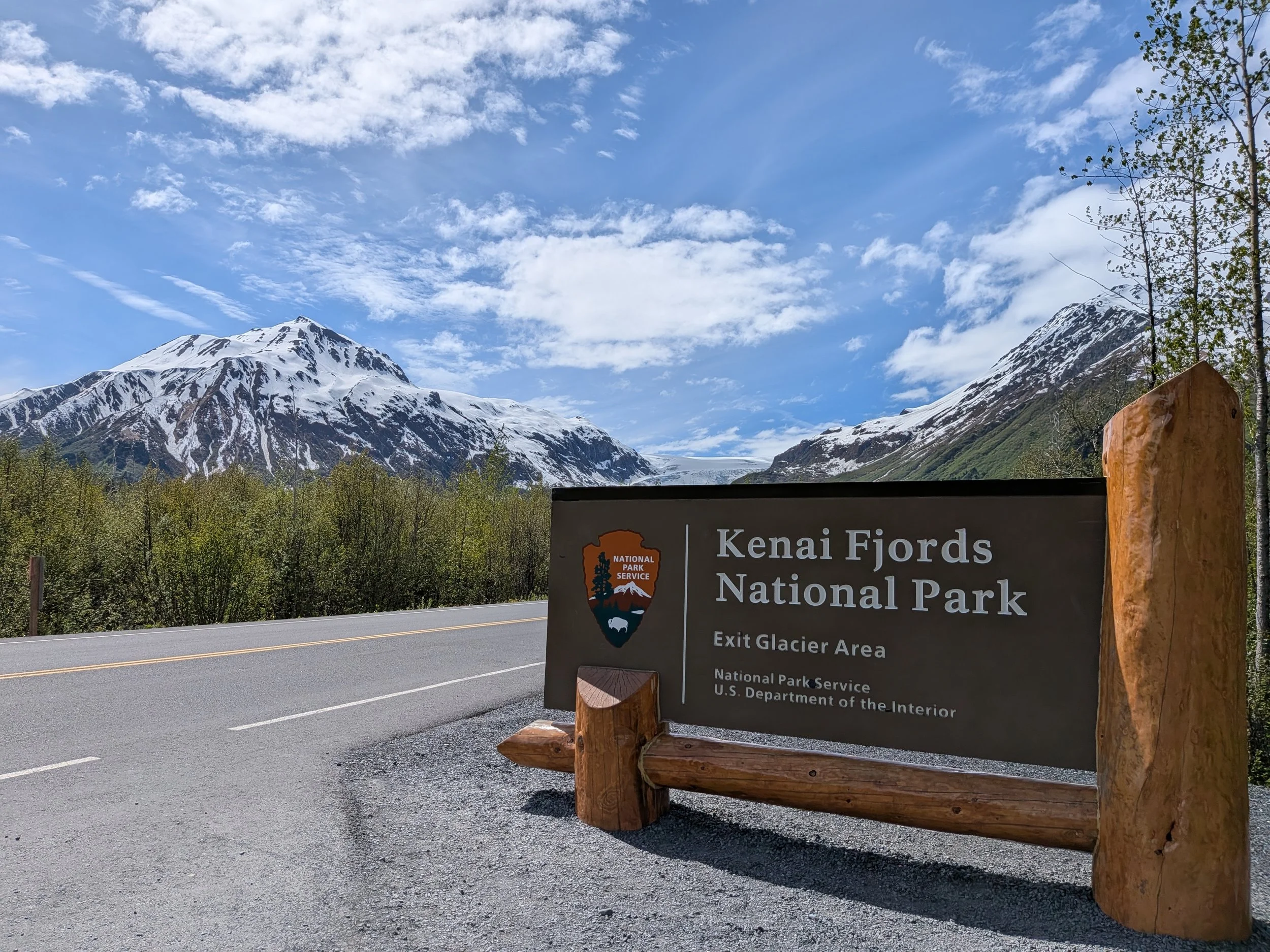
Town of Seward and Boat Ride to Kenai Fjords Glaciers; Exit Glacier hike: Historic, yet at the same time chill, mellow, and beautiful. The Kenai Fjords boat tour to see the glaciers made the trip even more memorable. We chose the six-hour cruise because we had kids and elderly parents with us. A four-hour tour would be a waste of time, as you won’t get far enough out to see the tidewater glaciers that form the highlight of the cruise; otherwise, it's just about being on a boat enjoying a beautiful journey. We also did a very short hike 1-2 miles - Exit Glacier hike. A must do as you get a feel of the land too.
Discovery Train Ride from Girdwood to the Interiors: A must-do. Train rides are inherently romantic, but cutting deep into the wilderness through some of the earth's most spectacular landscapes elevates your spirits to the next level. The train staff is incredibly kind, casual, and masterfully woven into the storytelling fabric of the passing woods.
Alaska Native Cultural Center in Anchorage: A must-visit is the Alaska Native Heritage Center in Anchorage, which makes you acutely aware of the deep pain the natives endured through both the Russian and, eventually, American invasions of their land. This place forces heavy questions to the surface: Who does the land belong to? Does it belong to animals, or natives who first inhabited it at the dawn of civilization, or both—and should they not learn to live in harmony? Or does it belong to the more recent migrants from modern imperialist powers, empowered with their own forays into technology and progress, coming from Britain and other empires to establish these places as capitalist hubs to expand their global footprints? It feels like a living testament to Darwin’s raw and brutal theory: the survival of the most powerful, where nothing else matters.
Town of Hope: If you are driving on the highway, a small detour will take you to the town of Hope, one of the first settlements born from the Gold Rush and still largely untouched by modern civilization. There is almost no action—dull and quite boring—but still, you feel intensely alive because you are so close to the edge of nature. A small river flows right through the town. Just sitting there and absorbing the sound of flowing water brings an immense sense of peace.
Visit to Denali: Imagine driving around at 1:00 AM in broad twilight, spotting a moose hanging out in a parking lot. Denali is a sacred space, worth visiting just to exist in the mountain’s looming presence. Sadly, the peak remained hidden from us behind a wall of clouds. They say only 40% of visitors actually get to see the summit, and you are either initiated into that exclusive club or you aren't. The name of the tallest peak in North America has long been a rope in a political tug-of-war. The Indigenous people called it Denali for centuries. A white gold prospector, wanting to show loyalty to his Ohio Governor, dubbed it Mount McKinley—and surprisingly, this governor never even set foot in Alaska. The mountain was renamed Denali to honor the heritage of the Alaska Native peoples and restore its original, centuries-old name. The state represented by natives still calls it Denali, but on the federal road map, it is called Mount McKinley. The Obama administration made the change to Denali, but recently Trump reverted back to name it after the Ohio governor. William Shakespeare would ask, "What’s in a name?" but out here, a name carries the weight of an entire history.
Town of Talkeetna: As you head towards Denali from Anchorage, the drive is long, especially when balancing a toddler and elderly parents. To break the journey, we took an overnight stay in this cute, small town. Talkeetna feels like a hippie enclave—artistic in its own ways, uncrowded, yet well-known as the historic base camp for climbers waiting to hike up Denali. The small town is quirky and laid-back. In their quirky style, the honorary mayor of the town is a ceremonial cat or a dog, depending on who wins the community's affection that year.This year a dog won the race and funnily enough we even witnessed a minor altercation between these two groups.
Helicopter Rides from Knik River in Palmer: We debated whether to take a small airplane ride from Talkeetna to land on an ice-clad ridge and see Denali, or to take a helicopter ride around Palmer to land on a flat glacier and experience a different path. If your budget allows, I strongly suggest choosing the helicopter ride. The company that managed it, Alaska Helicopter Tours, was remarkably professional and gave us an immediate sense of trust and security. If you can afford it, it is an absolute must-do. Tip: You can explore discounts by calling them directly, though I booked through Viator because it offered the flexibility to cancel up to 24 hours in advance for a full refund.
City of Fairbanks (and North Pole City): Our visit to this historical city was only a day trip. The Northern Lights are completely invisible during the summer, as the sun refuses to set for four straight months. We stopped by the Ice Museum in Fairbanks; it is older and a bit weathered, but it was a delightful surprise anyway. Art in any form deserves to be celebrated, and it was a magical stop for a four-year-old and grandparents alike. We also made a pit stop at a local pizza shop that overlooks a small airstrip. Watching bush planes park and take off right outside the window while eating was incredible—the entire restaurant is aviation-themed, paying tribute to Fairbanks' identity as a major military outpost safeguarding the American frontier.
Face-to-Face with Moose at the Alaska Wildlife Conservation Center: While driving from Anchorage to Seward, make a stop at this sanctuary. It isn't a traditional zoo; it rescues injured and orphaned animals, providing a home when they can no longer survive on their own in the wild. Here, you get close to the moose—an animal loved deeply by all Alaskans. You fall in love with them through sheer repetition. The highlight of our trip was spotting them in the wild, including one breathingly close encounter in a parking lot. My fear of them vanished as I learned their nature: they are herbivores, generally harmless unless provoked or threatened. The bulls grow massive antlers that they shed every winter and regrow in the summer, and the cows are fiercely overprotective during the summer calving season.
Practical Insights for Family Travel
The Minivan Companion: Renting a minivan is expensive, but for a family of six including elderly parents and a toddler, it effectively becomes a rolling second home. It resolves almost every logistical challenge on the road. You grab it at the airport and drop it back, painless and practical. We paid around $1300 for 8/9 days which I thought was a good deal.
AirBnBs and Dietary Realities: Relying solely on home rentals gave us vital flexibility. As a Jain vegetarian family, a kitchen isn't a luxury—it's a critical requirement for our travel. We also mandated staying at least two nights in one place, as it gave us enough breathing room to pack, unpack, and use it as a base to enjoy the surrounding cities without feeling rushed. When traveling with three generations, it's advisable to slow down the pace to avoid the fatigue of endless packing and unpacking.
The Layering Myth: Pack winter coats, but don't become obsessive about it. Highly likely you are going to visit Alaska in the summer season, and it can actually get quite warm. Most accommodations are heavily insulated, meaning you won’t need endless layers inside—save them exclusively for those moments when you are out exploring the ice and wind.
Pick and Choose Your Adventures: The costs compound aggressively in Alaska. Everything is premium-priced, and you simply cannot buy every thrill on the menu. Defining your boundaries early on what you want to do and don't want to do allows you to stay at peace with yourself and remain anchored in the present. After all, there is a distinct, quiet joy in missing out.
Don’t be too adventurous with nature, stay as a family: Alaska is still isolated. If you don’t have any experience of living in nature, it can be quite overwhelming and scary. There are wild animals all around and you don’t want to take unnecessary risks. We booked an airbnb on a farm thinking it would be fun but when we reached there, waves of big mosquitoes all around, in the middle of nowhere and that was scary especially when you are not familiar with the place. We made a hard decision to cancel that airbnb and find some other place.
Lodge vs AirBnBs in remote places: I used to debate whether Airbnbs or national park lodges were the better choice. It sometimes took us a while to get used to Airbnbs because they can feel isolated, lacking the social energy and interaction you get with other tourists. However, for places like Denali and Talkeetna, opting for a lodge is a great choice since the two listed below are absolutely amazing. If you prefer having people around and enjoying a bit of hustle and bustle, booking a lodge is definitely the way to go. You can always mix and match.
Book in advance: Alaska is an expensive place. You should book tickets in advance. At least get your air flights and car booked. All good AirBnbs also get booked first, so you may not want to leave things on the last minute. At least the bookings that are 100% refundable, book them (eg car with rental companies).
Practical Insights for Family Travel
Denali: (8/10, but worked well for us, host was ok but no issues whatsoever, kitchen downstairs bedroom upstairs, given national park initially when you enter you are like a bit anxious as not many people outside and wild animals can come, but within a day we got used to it and started enjoying) https://www.airbnb.com/trips/v1/reservation-details/ro/RESERVATION2_CHECKIN/HMYFHZNBEW; We didn’t stay in the lodge as it was full, but saw it from a distance. Location wise quite amazing and looked fun and quite reasonable. If we have to do it again, would book this: https://www.princesslodges.com/princess-alaska-lodges/denali-lodge/
Girdwood: (10/10, amazing, amazing location, two floors though - living room and kitchen upstairs, bedroom downstairs) https://www.airbnb.com/trips/v1/reservation-details/ro/RESERVATION2_CHECKIN/HM5FHCMRFB
Seward: (10/10, amazing, amazing location, kitchen downstairs bedroom upstairs) https://www.airbnb.com/trips/v1/reservation-details/ro/RESERVATION2_CHECKIN/HMWYNDJTD3
Talkeetna: (10/10, amazing hosts, modern, one floor, amazing location) https://www.airbnb.com/trips/v1/reservation-details/ro/RESERVATION2_CHECKIN/HMPCKDQK3C. We didn’t stay in lodge as it was full, but looked equally amazing (close to the downtown): https://www.alaskacollection.com/lodging/talkeetna-alaskan-lodge/
You can Avoid the following ones: We were not that lucky with Anchorage ones.
(4/10, bad location, very old and not at all like pics) https://www.airbnb.com/trips/v1/reservation-details/ro/RESERVATION2_CHECKIN/HMQSQPEZH5
(6/10, bedrooms were not comfortable, location was good, too dark inside, host was also not that great) https://www.airbnb.com/trips/v1/reservation-details/ro/RESERVATION2_CHECKIN/HM2E39K4AH
Link to booking Discovery Train ride: Book in advance if you are going in peak season. They get booked fast. We also drove to Portage to board the train as we had a car. (10/10)
Link to booking Helicopter Rides: Professionally run, very clean and organized place. We chose 3x landings. (10/10)
